
Full 25-point door and opener safety check with every visit - springs, cables, rollers, tracks, and your LiftMaster or Chamberlain opener included
You get a price before we start. It does not change when the truck arrives.
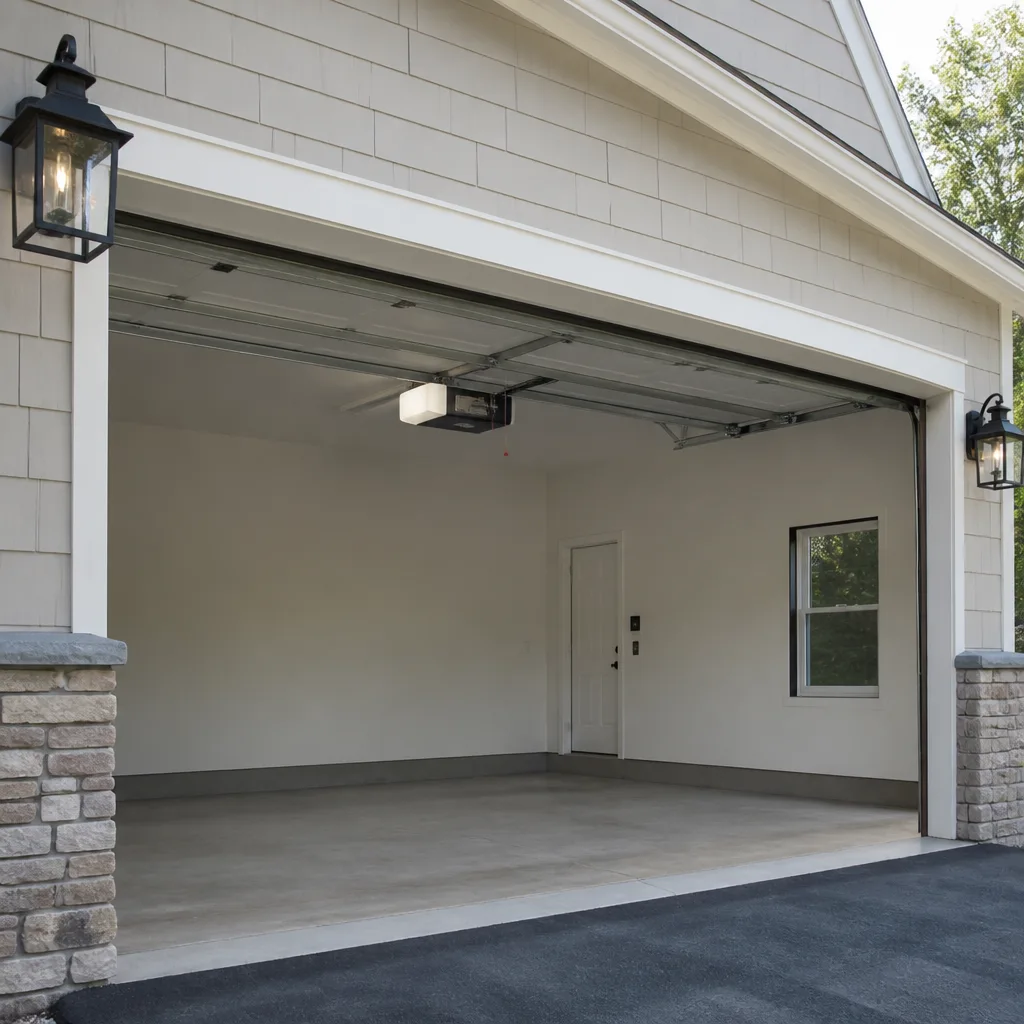
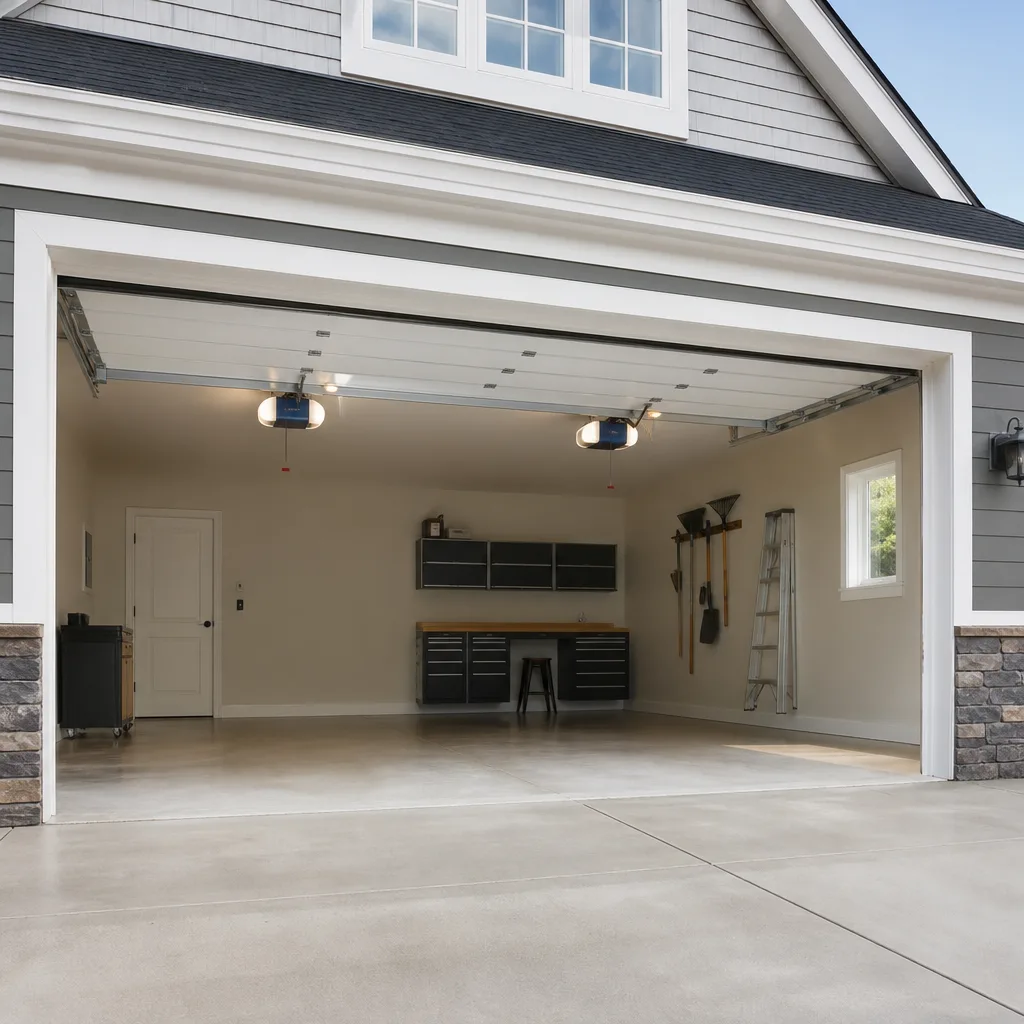
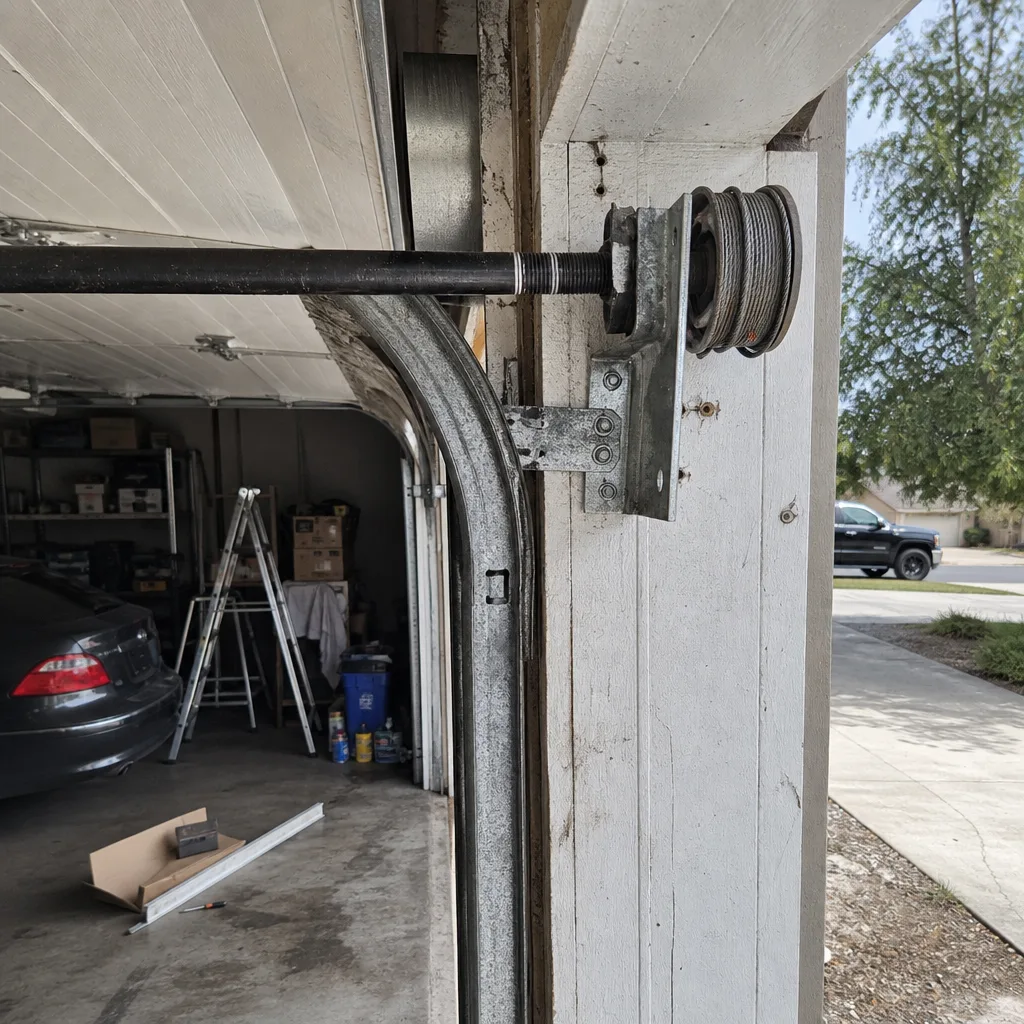 Before
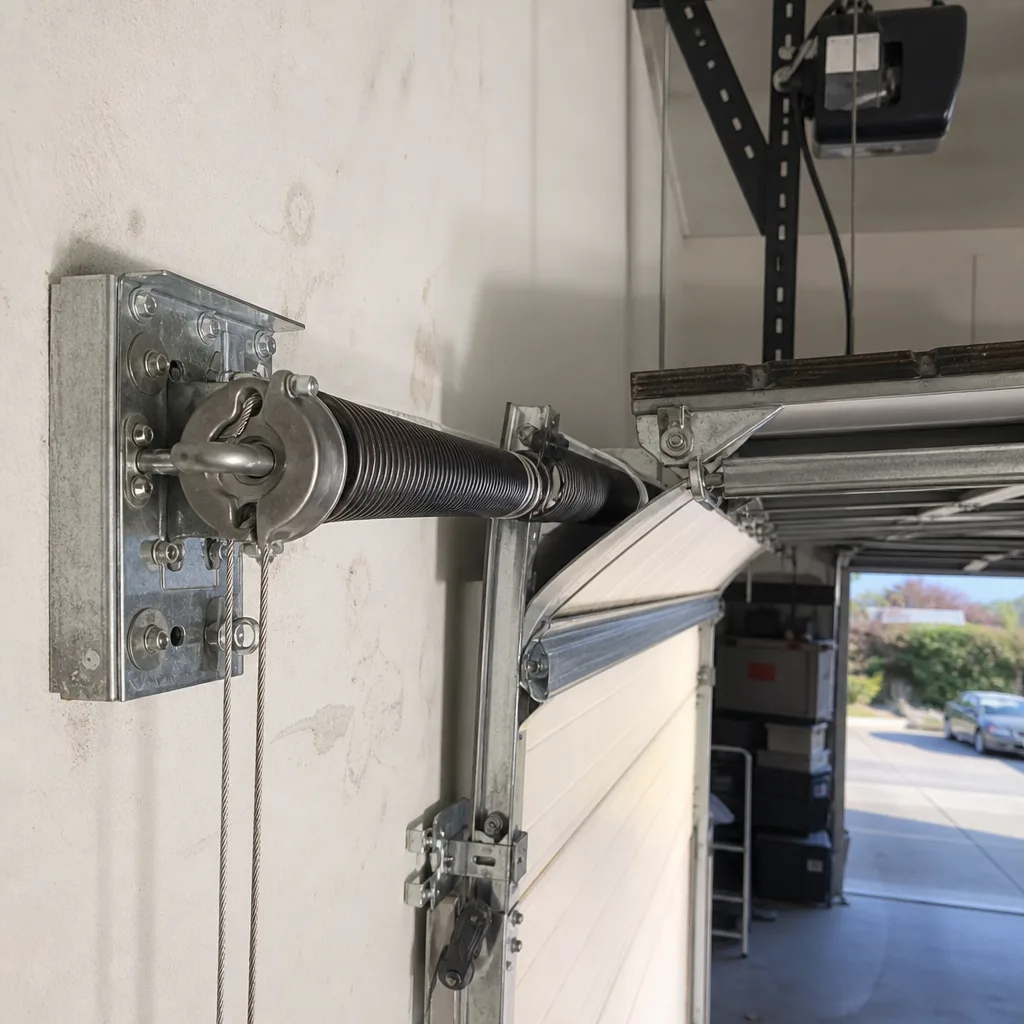 After
After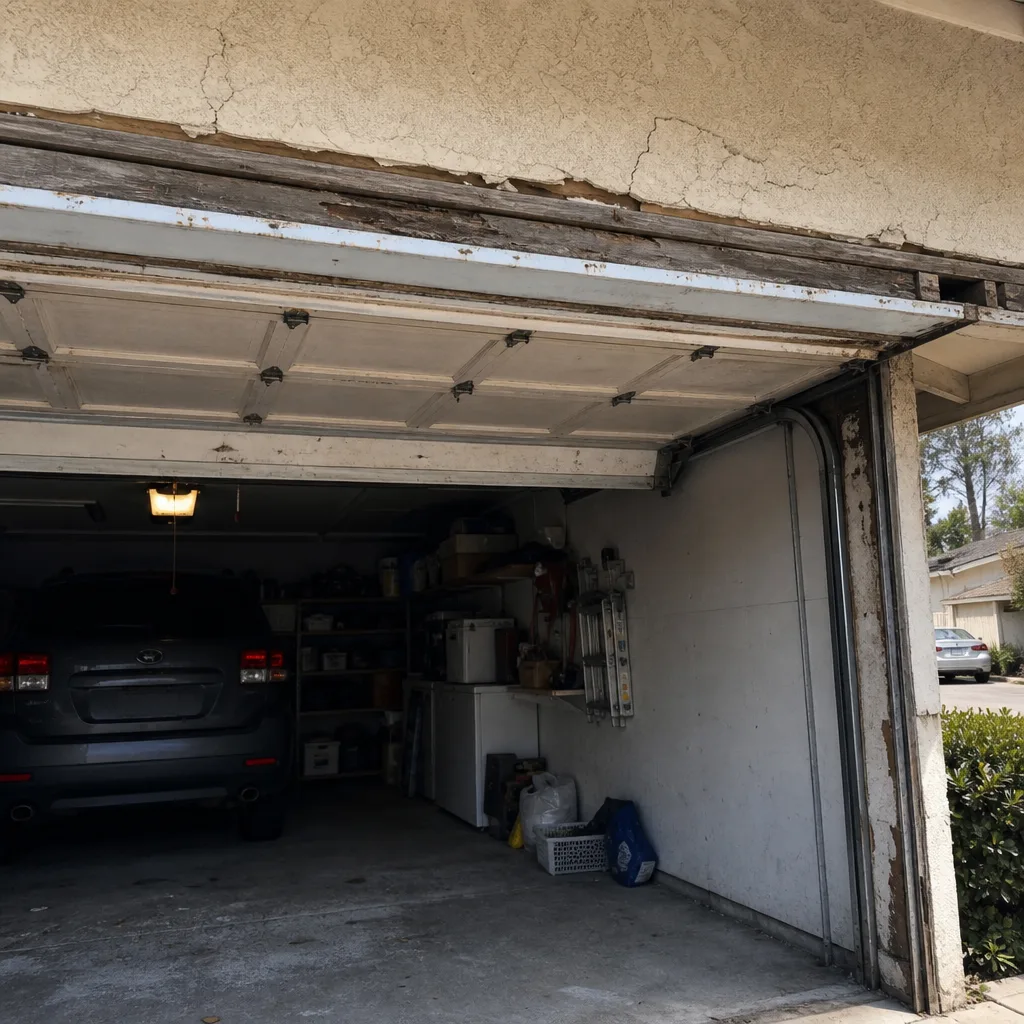 Before
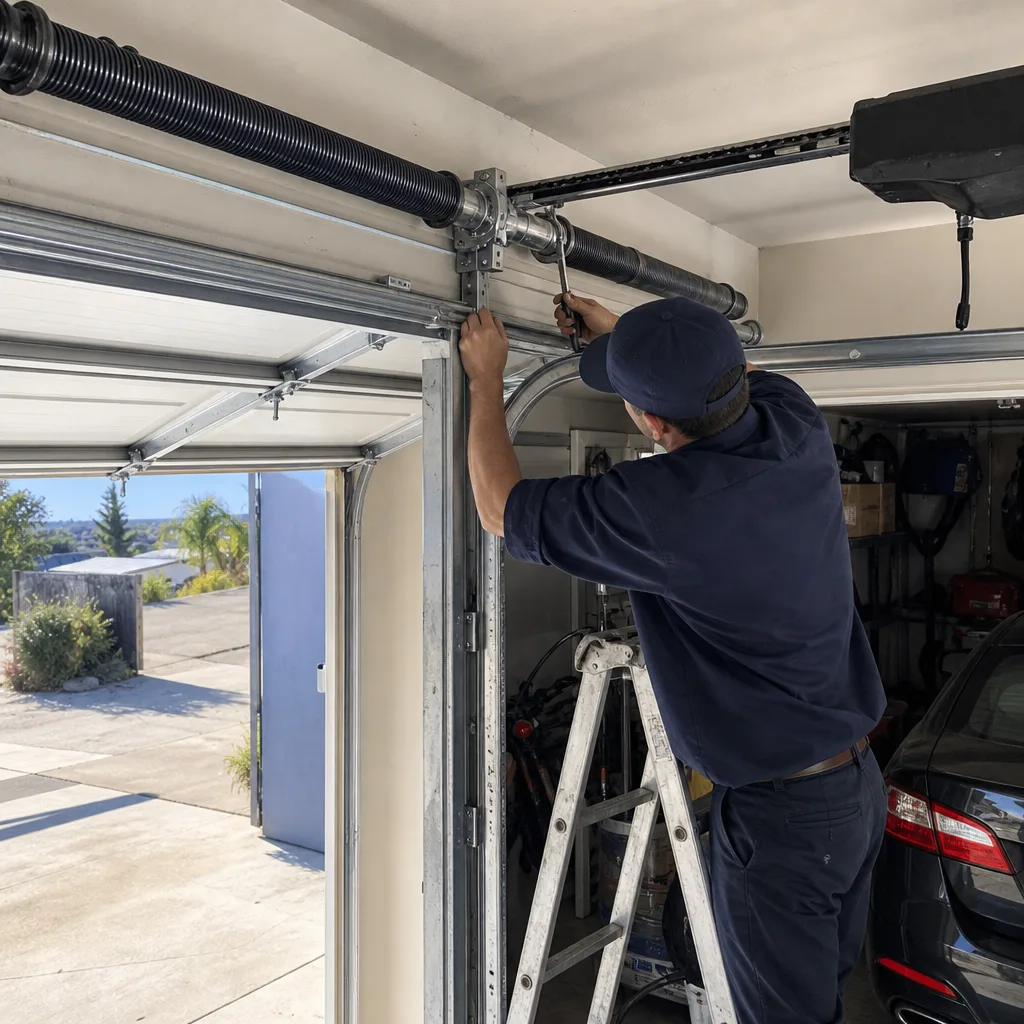 After
After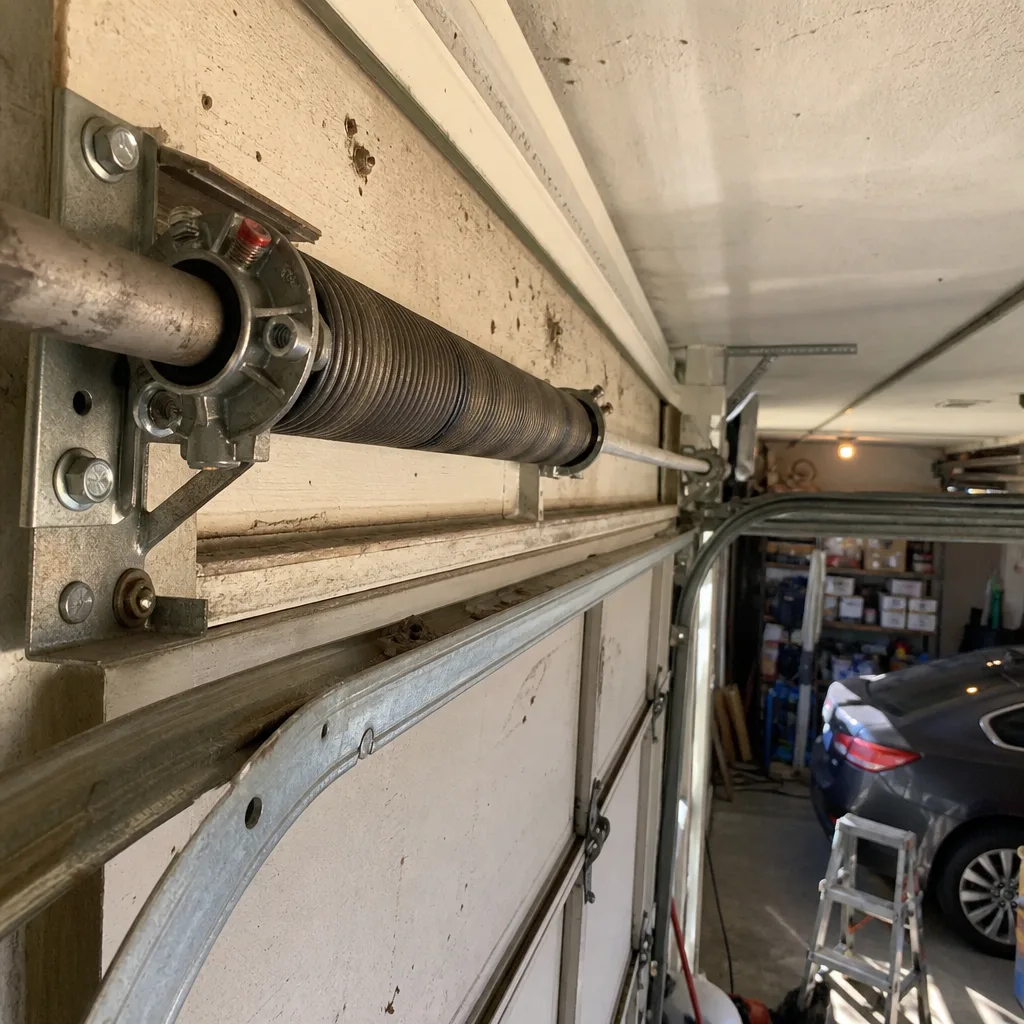 Before
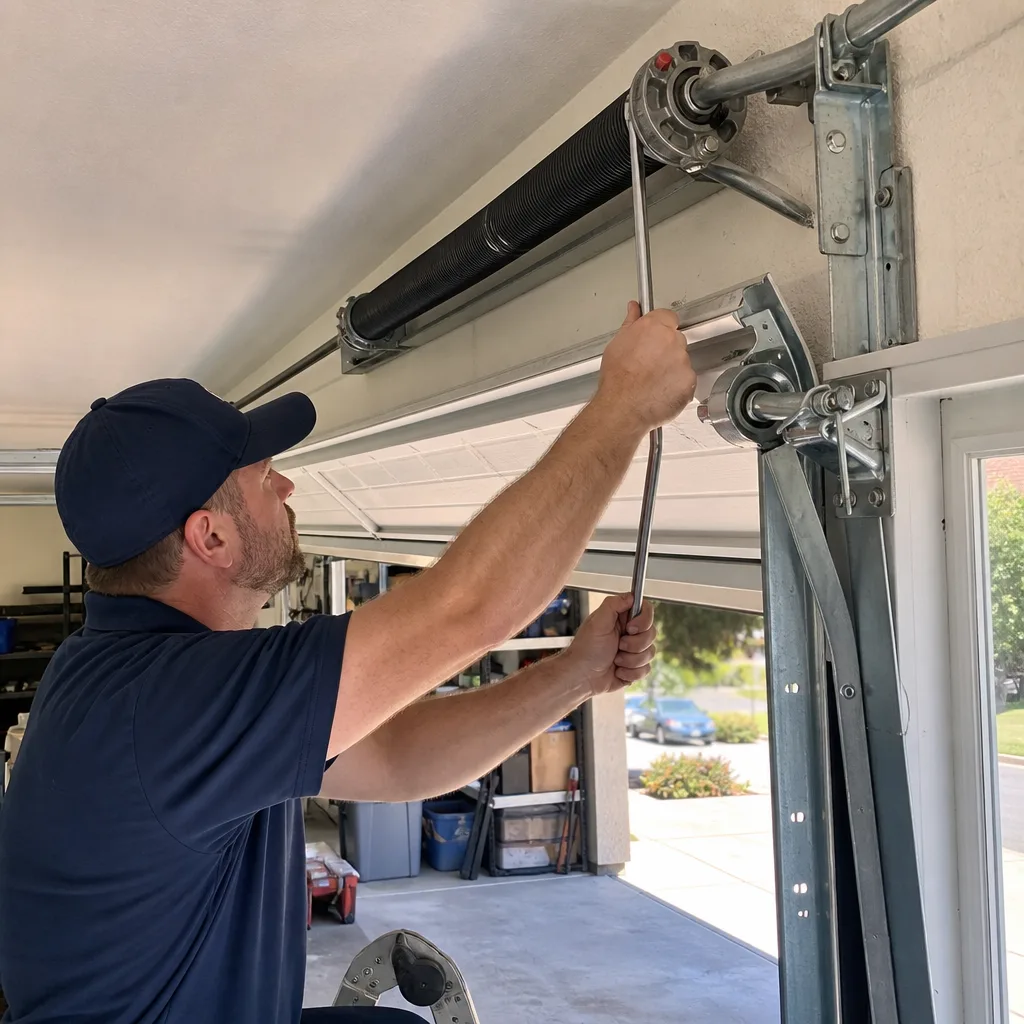 After
AfterRaynor Garage Door Installation in Valley Center: What to Know First
Raynor garage door installation in Valley Center typically runs $700 to $2,200 depending on the door size, steel gauge, and whether you’re replacing a single or double door. We install Raynor doors as an independent Raynor service provider, which means we’re not tied to a corporate script or a factory-ordered parts list. Most Raynor installs here are done in a single day once the door arrives, and we quote the job before we touch a thing.
This page is for Valley Center homeowners who already own a Raynor door or are about to put one in. If your Raynor is showing its age, if a panel is dented past saving, or if you’ve been told you need a new door but nobody explained why, you’re in the right place. Call Otto at (760) 906-8603 and he’ll walk you through what makes sense before anyone drives out.
Key Takeaways:
- Independent Raynor installation, not a franchise operation; you’ll see Otto or one of his crew on site
- Upfront pricing quoted on the phone, held at the door, never revised upward
- Raynor doors are worth repairing when the frame and tracks are sound; we’ll tell you honestly when they’re not
- Same crew handles LiftMaster, Chamberlain, and Genie openers, so your whole system gets done right
How Raynor Products Fail - and How We Fix Them
Raynor builds a solid door. The steel is heavier than a lot of what’s out there, and the hardware is generally well-made. But everything fails eventually, and Raynor doors fail in ways we’ve learned to spot from years of running calls up and down Valley Center’s back roads. Here’s what we see most often:
- Raynor Aspen and RockCreeke series: bottom seal channel rot. These two series use an aluminum bottom retainer that channels water away from the panel edge. Sounds good on paper. In practice, Valley Center’s hard water and alkaline dust eat at that aluminum over five to seven years. The seal channel corrodes from the inside, the vinyl T-seal loosens, and you start seeing daylight under the door. We replace the retainer with a corrosion-resistant aftermarket version and bed it in a neutral sealant. Most Raynor installs we do in Valley Center on these doors are because the panels have swelled from moisture intrusion at that bottom edge.
- Raynor Symphony and Prevail series: hinge-to-stile screw fatigue. Raynor uses a steel stile system where the hinges screw directly into pre-punched holes. The factory hardware is fine, but after 3,000 to 4,000 open-close cycles, the screws can start backing out or wallowing the holes. When that happens, a panel sags slightly, and the door starts shaving the track on one side. You’ll hear a screech that comes and goes. Our fix: we re-tap the stiles to the next size up and use stainless fasteners. Never remount into the old holes. That’s how doors end up dropping panels.
- Raynor Coastal steel doors: salt-air surface pitting along the bottom edge. Even in Valley Center, which sits inland, mornings carry moisture off the coast. Doors that face west, especially near Hellhole Canyon Preserve, catch that marine layer. A standard polyester topcoat will hold up, but the factory caulk line at the bottom seam is the weak point. We’ve seen rust spider-webbing from that seam inside four years. When we install a replacement, we run a polyurethane sealant along that seam before the door ever goes in the opening. Adds ten minutes. Adds years.
- Raynor insulated doors with the Intellicore foam: cold-line condensation at the panel joints. Intellicore is Raynor’s name for their injected polyurethane foam. It insulates well. But the foam doesn’t extend fully into the panel endcaps, which creates a thermal break at the edges. On certain Valley Center mornings when temperatures swing from the low 40s to the high 70s, the steel surface right at the endcap seam can get a faint film of moisture. Over years, that’s how interior rust starts. We see it regularly on doors from the early 2010s. If we’re doing a new install, we ask whether the door faces morning sun. If it does, we recommend the heavier steel gauge with a factory-backed thermal break. Not a sales pitch; it’s physics.
- Raynor rollers and the Raynor quiet-glide hinge system: bearing freeze from dry dust. Raynor’s nylon rollers are actually pretty good. But their open-bearing design collects Valley Center’s fine granite dust. Once that dust mixes with factory grease, it turns into a grinding paste. The roller stops rolling and starts sliding. Then the hinge pins take lateral load they were never designed for. The door gets noisy, then gets stiff. We clean and lube the rollers, but if the race is shot, we replace with sealed-bearing aftermarket rollers. Raynor’s own replacement rollers work fine; the sealed aftermarket ones last longer in this dust.
Our Raynor Garage Door Installation Process
Every Raynor job we do follows the same sequence. It’s not fancy, but it catches problems before they become callbacks.
- 1
You call, a person answers. Often that person is Otto Reinhardt. He’ll ask about the door you have, the size of the opening, what’s failing, and whether you’ve got a Raynor now or are switching brands. He quotes a range on that call, not a teaser.
- 2
We measure. Door width, height, headroom, side room, floor slope, and the condition of the existing track and jambs. A Raynor door on bad jambs is a new door on a rotten frame. We fix the frame or we don’t install.
- 3
Parts decision. We use Raynor OEM hardware where it matters most: springs matched to the door’s weight and cycle rating, cable drums, and hinges. For rollers and weather seal, we stock aftermarket options that hold up better to Valley Center’s dust and alkaline soil conditions. We’ll tell you which is which and why.
- 4
The install. Tear-out, framing check, new track, new panels, spring tension, opener integration. We set the balance so the door holds at any point in the travel without the opener doing the work.
- 5
The test. We cycle the door 20 times. We test the opener’s force settings and auto-reverse. We check the photo eyes, the cable tension, and the floor seal. Then we walk the door with you and point out what we did.
- 6
The guarantee. Every Raynor install gets the 90-Day Done Right Promise in writing. If something’s not right, one call brings Otto back. No service ticket, no queue.
What Raynor Garage Door Installation Costs in Valley Center
Here’s what we charge, straight up. New door installation in Valley Center runs $700 to $2,200 depending on the door material, insulation level, and size. A single car Raynor door starts at the lower end. A double-wide insulated steel door with windows lands closer to the top.
- New door installation (single car, basic steel): $700-$1,200
- New door installation (double car, insulated steel): $1,200-$2,200
- Opener installation (new Raynor or compatible): $250-$550
- Panel replacement (partial, if the rest of the door is sound): $250-$500
- Track realignment: $120-$240
- Roller replacement: $110-$220
What moves the price: door width, steel gauge, insulation level, whether the old track and jambs can be reused, and whether you want windows or a high-cycle spring. We tell you the exact number before we start. It doesn’t change when we’re standing in your driveway. And if it does, the difference comes out of our margin, not your wallet. Call (760) 906-8603 for a free estimate on Raynor installation in Valley Center.
Why Valley Center Homeowners Call Otto’s Garage Door for Raynor Work
We’re local. Not “we have a local office” local, but Otto Reinhardt lives in the county, his name is on the van, on the license, and on the invoice. He’s been running calls up to Valley Center for years, including plenty of work out near Hellhole Canyon Preserve, where the dust and heat are harder on springs and cables than most folks realize. If your door fails on a Tuesday at 6 a.m., the person you call is the person who shows up.
A Raynor door is only as good as the person who hangs it. We install them right the first time, and we stand behind the work for 90 days in writing. We also service LiftMaster, Chamberlain, and Genie openers, so your new Raynor door and your old opener work together properly. We don’t promise same-day installs on custom doors; we promise a measured job, a written quote, and a door that opens and closes the way Raynor intended. The name on the van is the name on the invoice and the name on the license. That’s the whole pitch.
FAQs
If the door is a standard size and we have it in stock, yes, we can often install a Raynor door in Valley Center the same day. But if we’re ordering a custom size, custom color, or an insulated double door, it typically takes one to two weeks for the door to arrive from the warehouse. We’ll give you a straight answer when you call, not a maybe. Reach Otto at (760) 906-8603 and he’ll tell you what’s realistic for your opening.
We use Raynor OEM parts where it matters for safety and warranty: springs, cables, drums, and hinges. For rollers, weather seal, and some hardware, we stock aftermarket parts that we’ve tested against Valley Center’s dust and heat and believe last longer than factory. You’ll know which is which before we install anything.
No. As an independent Raynor service provider, the work we do doesn’t void the manufacturer’s warranty on the door itself, provided the door was manufactured in the last coverage window and the failure is a defect, not wear. Our own work is covered by the 90-Day Done Right Promise in writing. That’s the guarantee we care about.
A new Raynor garage door in Valley Center typically costs $700 to $2,200 installed, depending on size, steel gauge, insulation, and whether you add windows or a higher-cycle spring. The quote we give you is the number you pay. Call (760) 906-8603 and we’ll give you a range over the phone, then a firm price after we measure.
If the frame and tracks are sound, we can usually repair a Raynor door for $150 to $600, which is often a better call than a $700 to $2,200 replacement. But if the bottom panels are rusting through, if the stiles are stripped, or if you’re looking at multiple failures, we’ll tell you honestly. I’ll tell you what it needs. Not what pays better.
Written by Otto Reinhardt, Owner, Otto’s Garage Door at Otto’s Garage Door, serving Valley Center and nearby areas.