
Last updated September 10, 2026
Full 25-point door and opener safety check with every visit - springs, cables, rollers, tracks, and your LiftMaster or Chamberlain opener included
You get a price before we start. It does not change when the truck arrives.

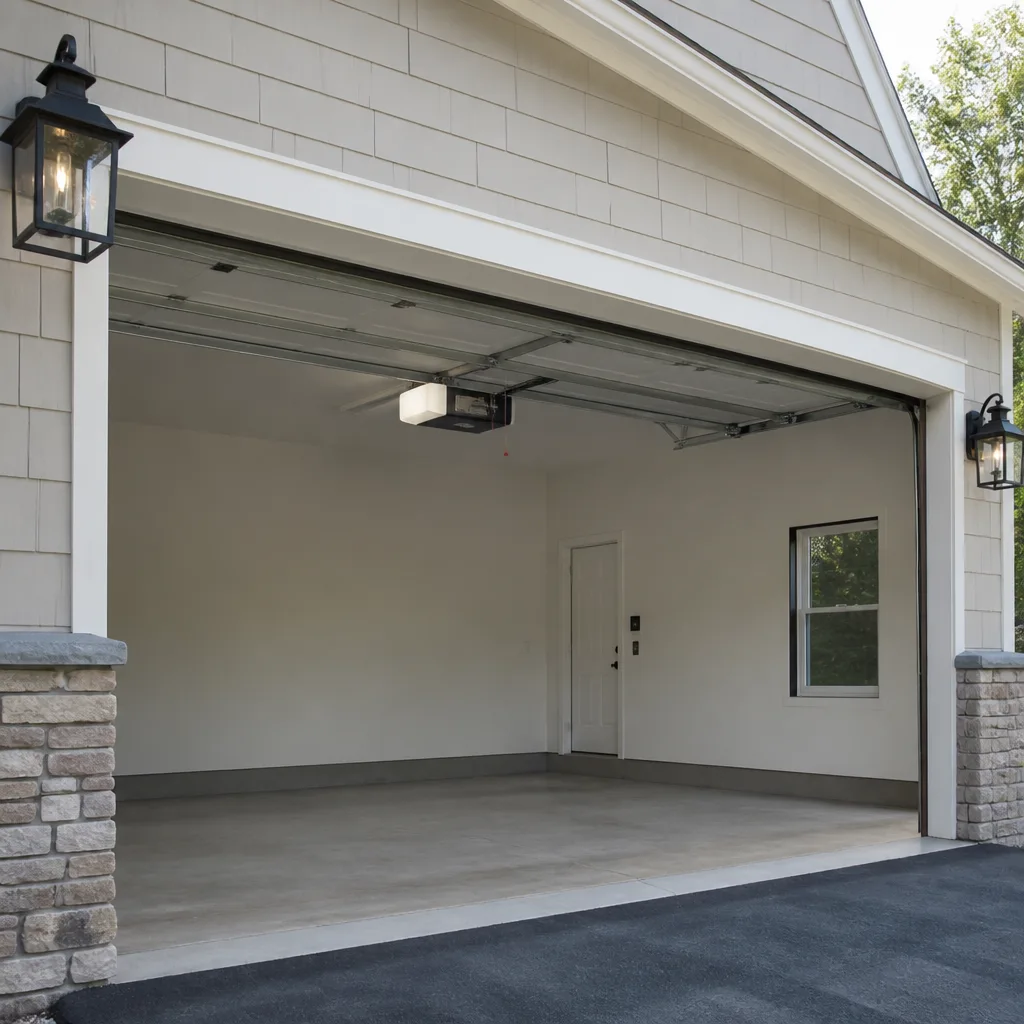
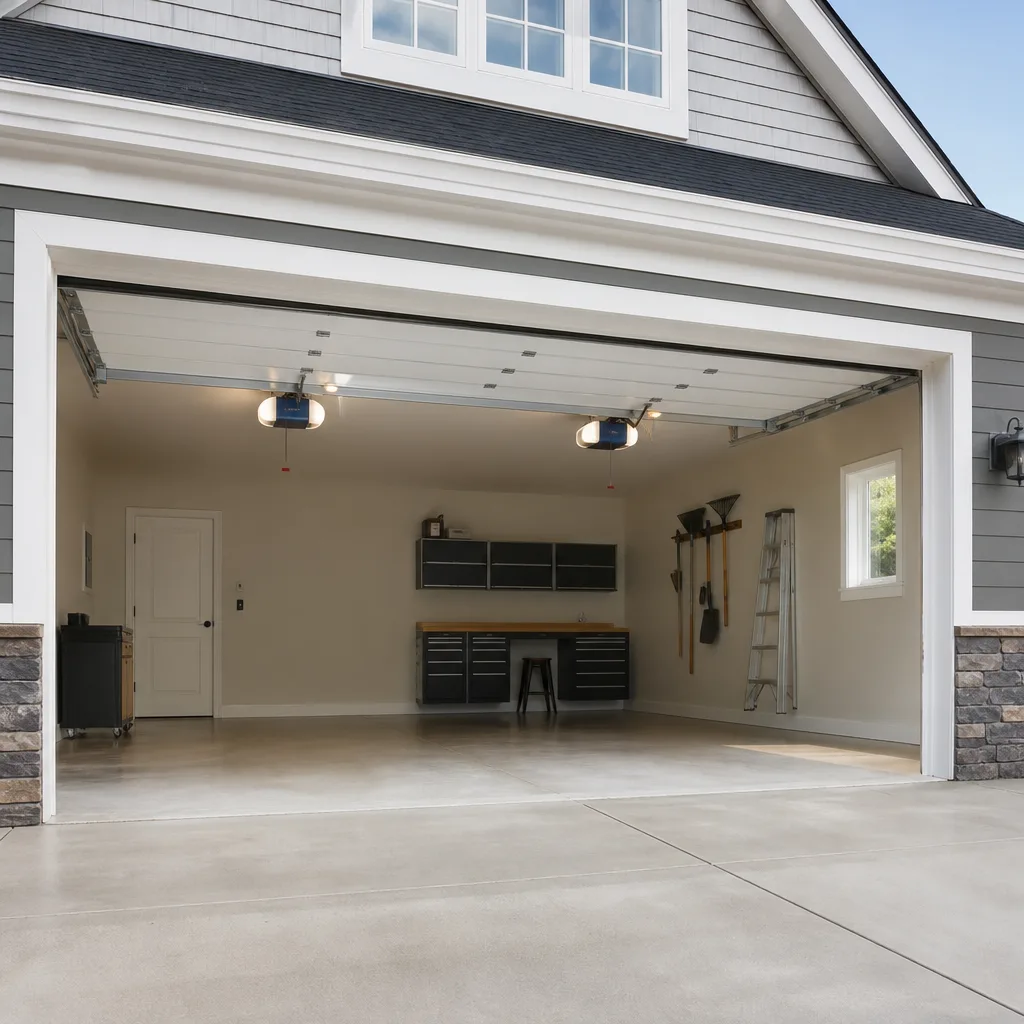
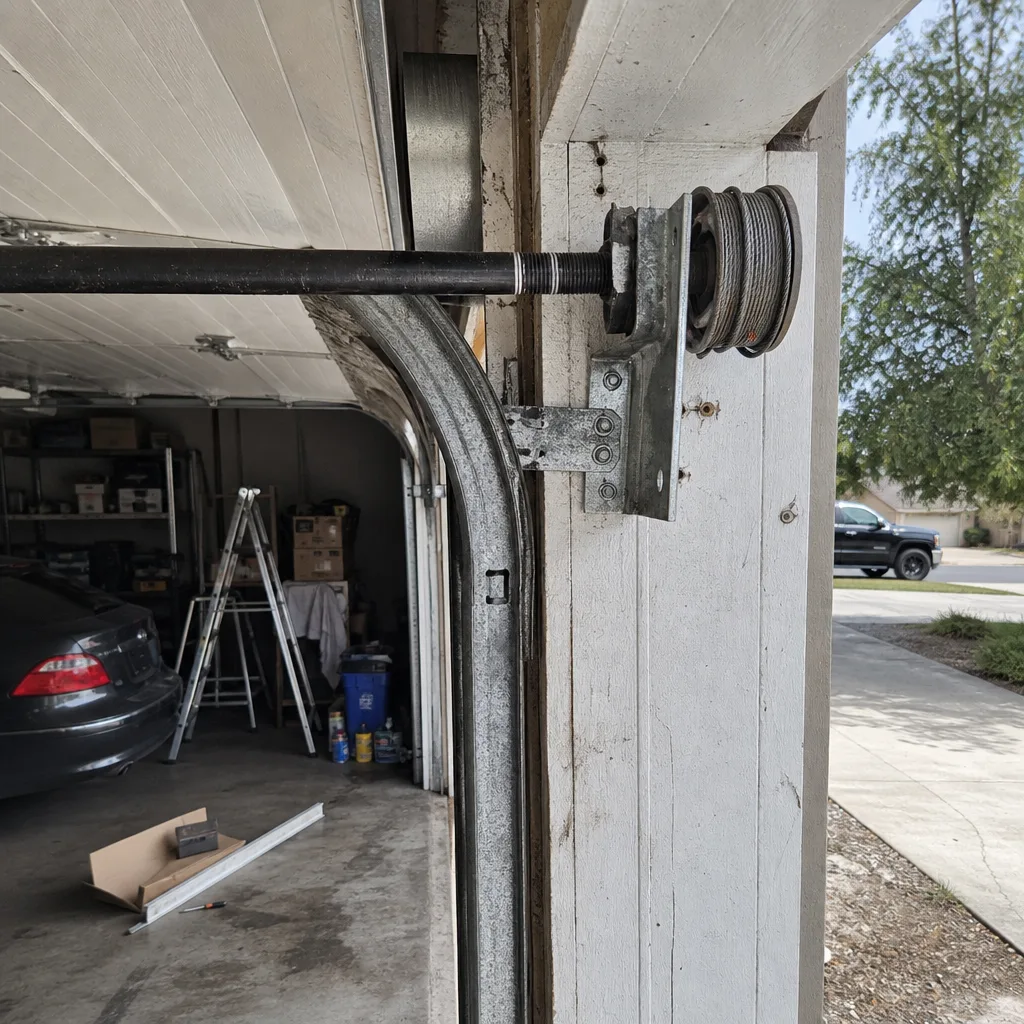 Before
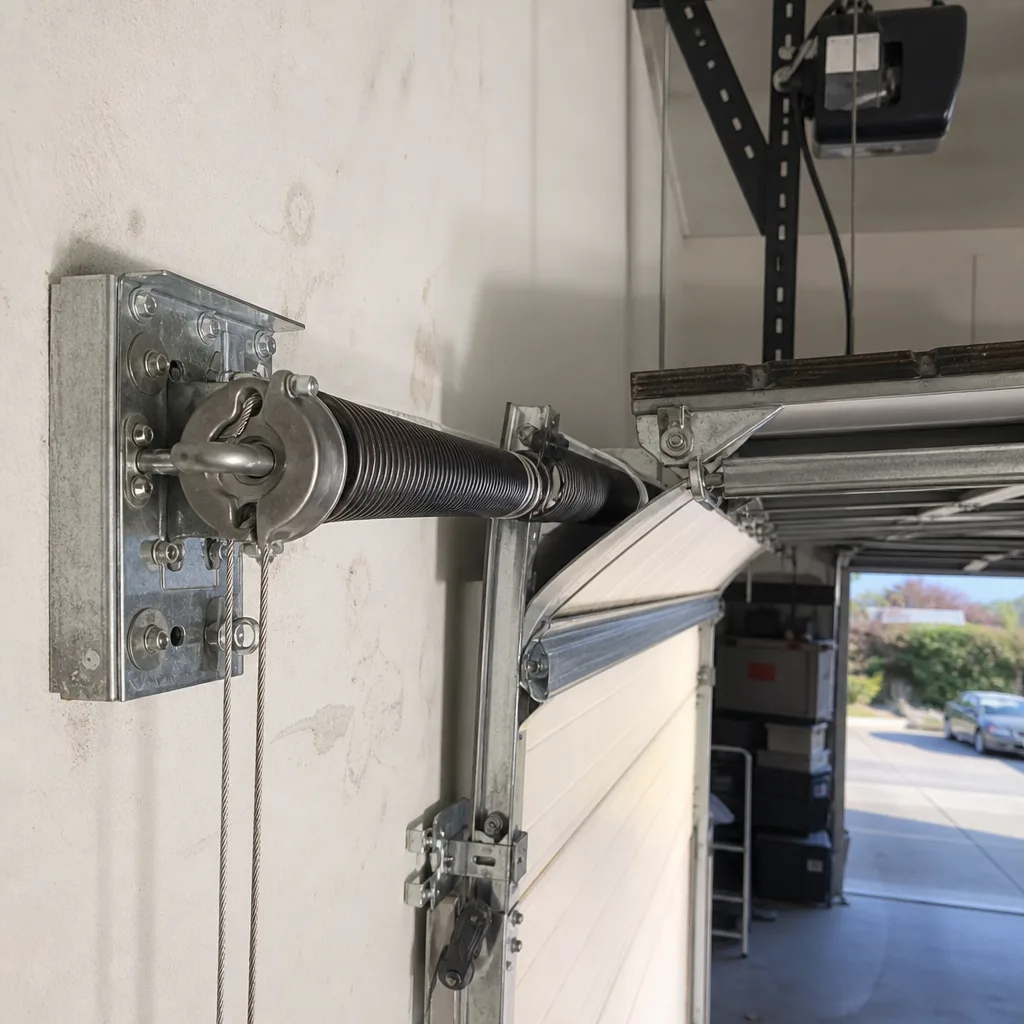 After
After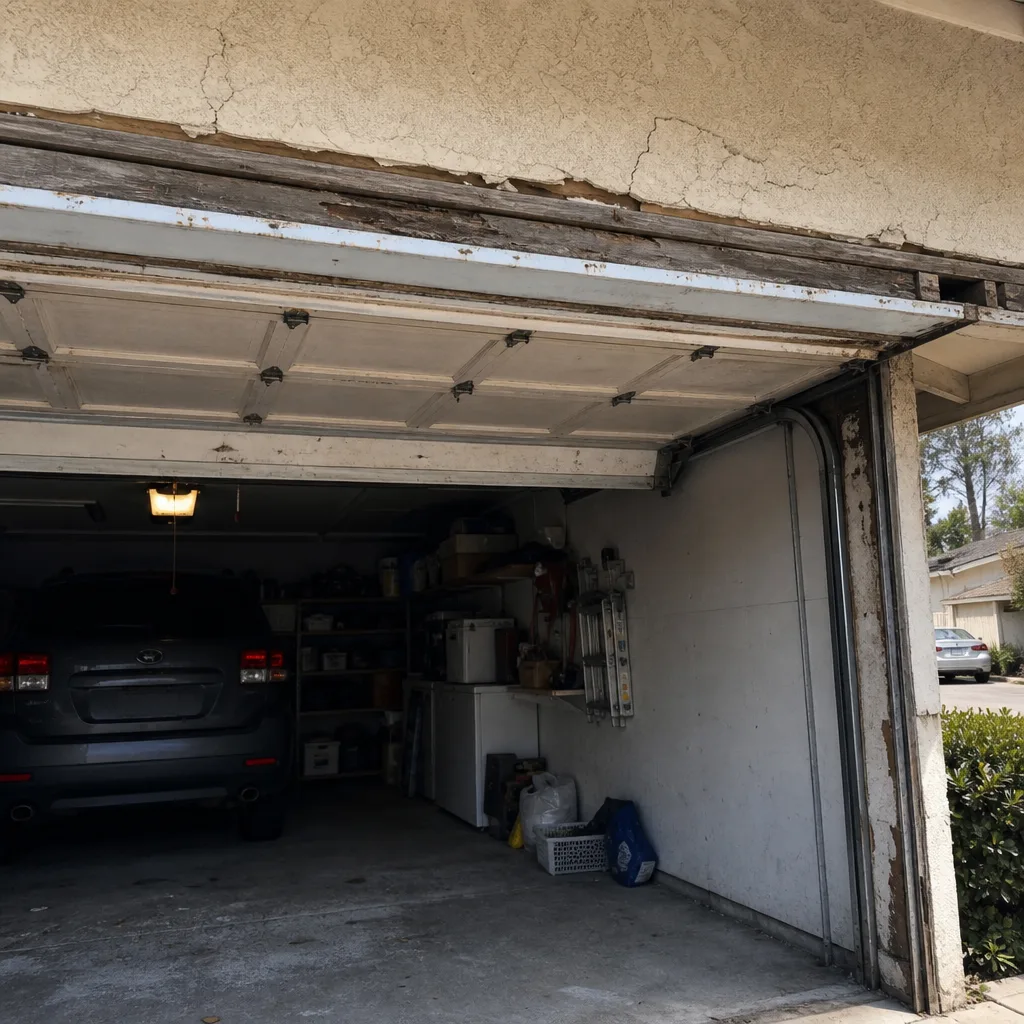 Before
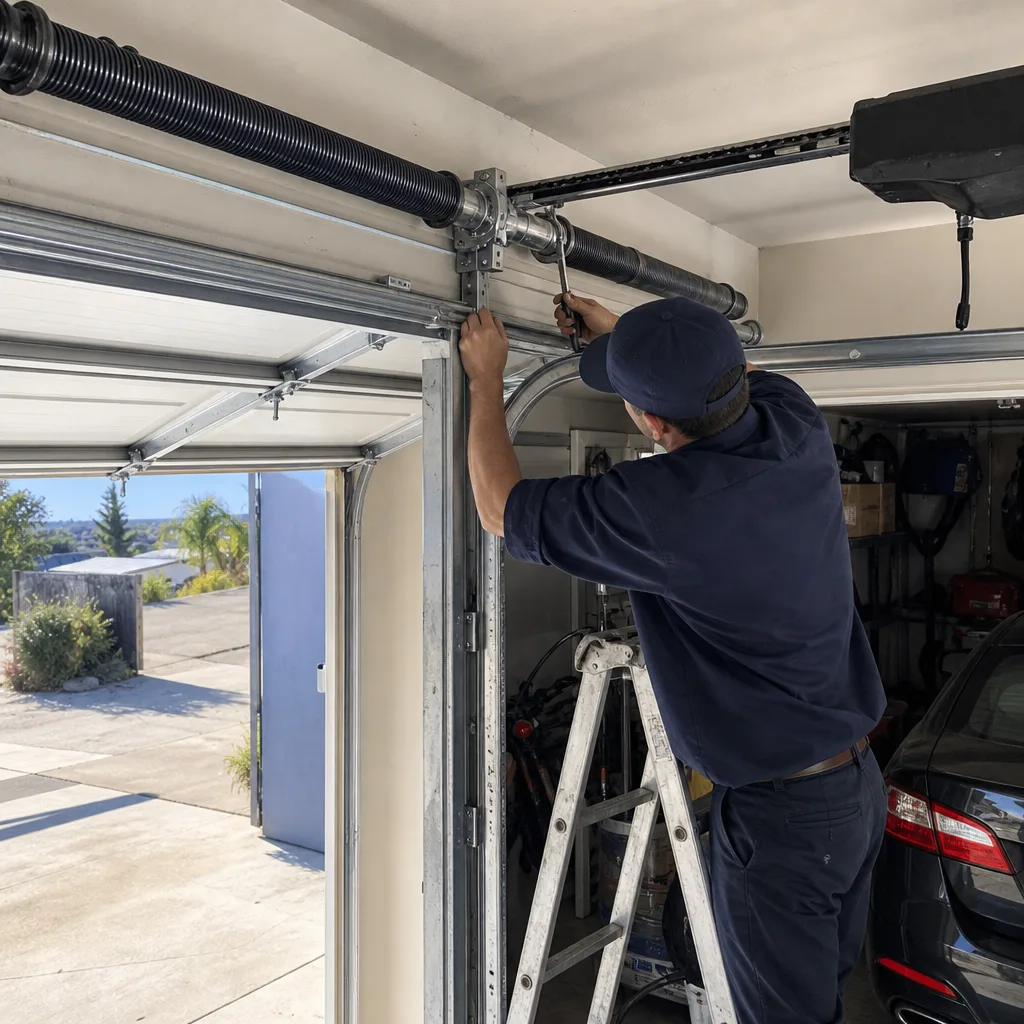 After
After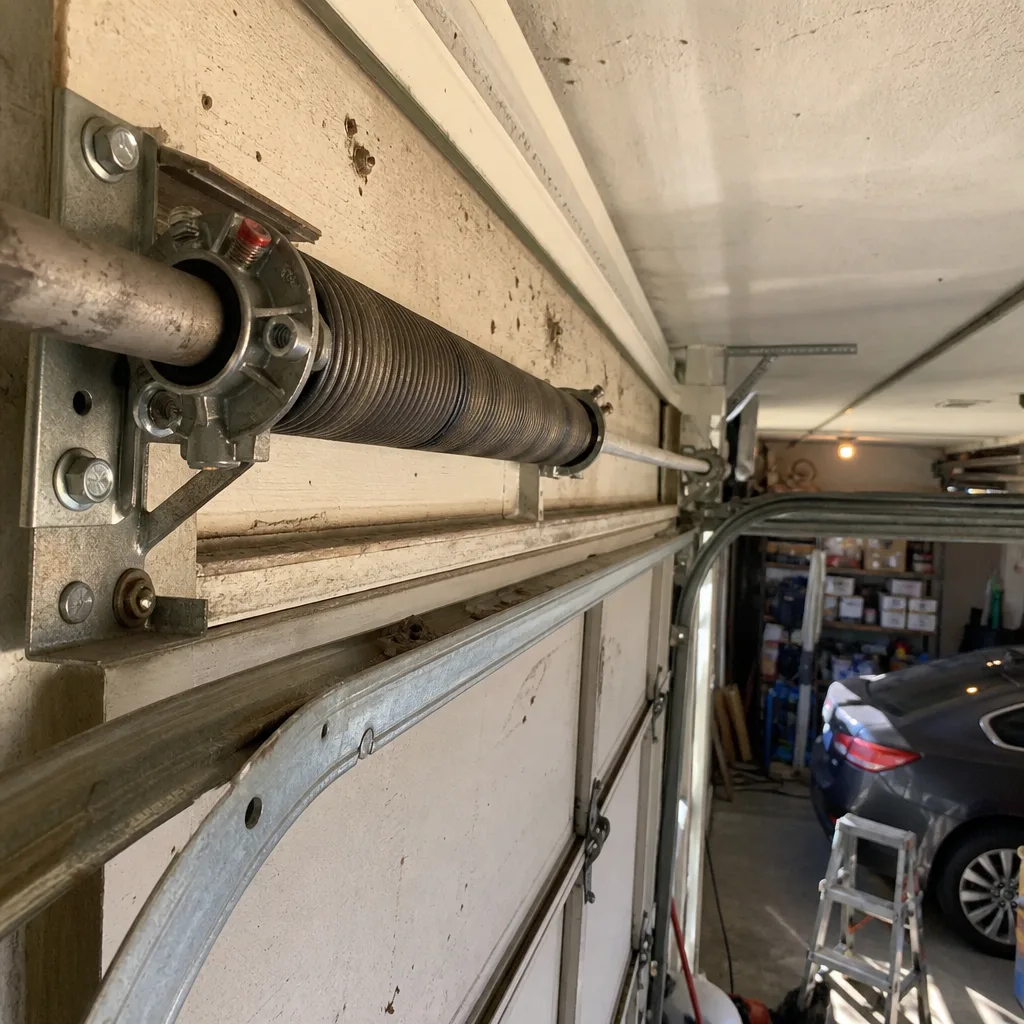 Before
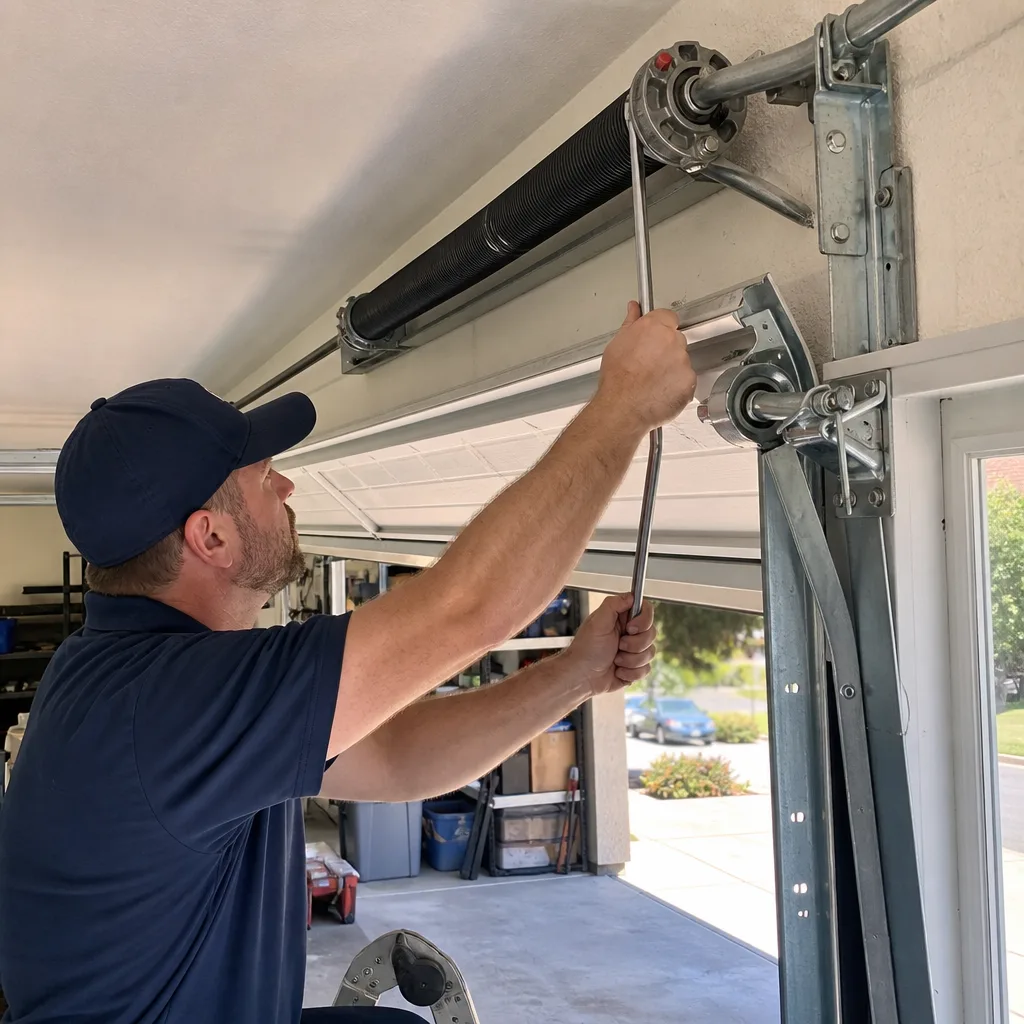 After
AfterGarage Door Permits, Codes & Inspections in CA: What You Need to Know
A neighbor sold his Valley Center property last year and found out at escrow that his garage door replacement three years prior never got permitted. The fix cost more than the original job. The permit would have been eighty dollars. Most homeowners don’t think twice about swapping out a garage door, but California building code, and San Diego County specifically, draws a line between a simple swap and a change that needs paperwork. This guide explains where that line sits, what an inspector actually checks, and how unincorporated areas like Valley Center handle things differently than the cities around us. For Garage Door Repair Maintenance Checklist for Valley Center Homeowners and more guides & resources, see our blog.
Quick Answer
In California, a straight like-for-like garage door replacement, same size, same weight, same opener circuit, usually does not require a permit. A permit is required when you change the door opening size, add a new opener circuit, switch from a non-fire-rated door to a different rating in a fire zone, or alter structural framing. In unincorporated San Diego County, Valley Center included, the County’s Building Division at the Department of Public Works handles permits, not a city hall, and the rules around fire-zone door ratings are stricter than in Escondido or San Marcos. Watch for Garage Door Warning Signs: A Valley Center Homeowner’s Reference Guide to spot trouble early.
Table of Contents
- When Do You Actually Need a Garage Door Permit in California?
- How Unincorporated San Diego County Differs From City Jurisdictions
- Fire-Zone Designations in Valley Center and What They Mean for Your Door
- What the Inspector Actually Checks During a Garage Door Inspection
- The Real Cost of Skipping a Permit: Escrow, Insurance, and Resale
- How to Confirm Permit Status on Work Done by a Previous Owner
- The County Permit Process, Step by Step
- Common Mistakes to Avoid
When Do You Actually Need a Garage Door Permit in California?
The California Building Code, specifically the California Residential Code (CRC) and the California Electrical Code (CEC), governs residential garage doors. Here is the threshold that matters, plain and simple: a permit is triggered when the work changes the structure, the opening, or the electrical load. A door that slides into the exact same opening, weighs roughly the same, and plugs into the existing opener circuit is maintenance, not modification. A door that changes any of those three things is construction.
Here is the practical breakdown:
- Same-size door replacement, no opener change: No permit required in most cases. You are replacing a component, not altering the building.
- Enlarging or reducing the rough opening: Permit required. This means touching the header, king studs, or trimmer studs, which is structural work.
- Any new electrical circuit for an opener: Permit required. If the new opener needs a dedicated circuit, or you are running new wire, that is an electrical change under the CEC.
- Changing door material in a fire-rated zone: Permit required in many county fire zones. Swapping a wood door for a steel one, or vice versa, can change the fire rating, and the county wants that documented.
- Adding a second door where none existed: Permit required. That is new construction, full stop.
In our experience around Valley Center, the most common surprise is the opener. Homeowners buy a heavier door, install it, and then realize the old opener is straining. The new opener needs a dedicated circuit. That electrical addition is what triggers the permit, not the door itself.
If you are in the research phase before a new door, our Garage Door Installation in Valley Center page walks through what a full replacement involves, permits included.
How Unincorporated San Diego County Differs From City Jurisdictions
Valley Center falls under unincorporated San Diego County. That means no city building department. The authority is the County of San Diego’s Planning & Development Services (PDS), specifically the Building Division. Escondido, San Marcos, and Vista have their own building counters, their own inspectors, and their own interpretations. The county has different paperwork, different fee schedules, and a different inspection route. The code is the same state code, but the enforcement layer is separate.
Here is what that means for you, practically:
- You file at the County Building Division, not a city hall. For Valley Center, that means the San Diego County PDS office on Ruffin Road or the North County office in San Marcos, or online through the county’s Accela portal. Filing is done once, but the jurisdiction is countywide.
- Inspector routes are regional. A county inspector serving Valley Center covers a huge swath of the backcountry, from Fallbrook to Ramona to Jamul. That affects scheduling. A city inspector in Escondido can often swing by the same week. A county inspector in Valley Center might be booked out seven to ten days, sometimes longer in fire season.
- Fees differ. County permit fees for a garage door that requires one typically run between $80 and $200 for the permit alone, depending on the valuation of the work and the specific type. City fees in Escondido or San Marcos run in a comparable range, but the county adds some administrative line items.
- Fire-zone overlays are more common. Most of Valley Center sits in a Cal Fire-designated Very High Fire Hazard Severity Zone (VHFHSZ). That overlay adds material restrictions and, in some cases, additional plan review before a permit is issued.
If you need a repair rather than a full replacement, Garage Door Repair in Valley Center covers what a same-day fix looks like and when a repair crosses the line into a permitted replacement.
Fire-Zone Designations in Valley Center and What They Mean for Your Door
Valley Center sits in wildfire country. The 2003 Paradise Fire, the 2007 Witch Creek Fire, and the 2017 Lilac Fire all burned within or near Valley Center boundaries. Because of that history, the state’s Fire-Resistive Construction requirements in California Building Code Chapter 7A apply to new construction and significant alterations in designated fire hazard severity zones. Your garage door can be part of that requirement.
Here is what Chapter 7A means for a garage door in a VHFHSZ:
- Doors facing the wildland area may need to be rated. If your garage faces toward open chaparral, a designated fuel break, or a slope that carries fire, the replacement door may need a fire-resistance rating or an ignition-resistant classification.
- Vinyl doors are often restricted in high-severity zones. Vinyl softens rapidly in radiant heat. Many county inspectors in VHFHSZ areas will reject a vinyl door on the fire-facing side regardless of what the manufacturer claims.
- Steel and fiberglass with fire-rated cores are the standard. In our experience in Valley Center, a steel sandwich door with a fire-rated core satisfies the county in nearly every fire-zone case. Amarr and Wayne Dalton both produce doors that meet the Chapter 7A ignition-resistant standard. The key is documentation: the inspector wants the manufacturer’s compliance sheet, not a verbal assurance.
- The fire-zone check happens at the permit stage. If the county’s GIS layer shows your parcel in a VHFHSZ, the plan reviewer will flag the door spec before the permit is issued. That is not a surprise you want to discover at inspection.
This is not a paperwork technicality. A door that softens and fails in the first ten minutes of a wind-driven fire gives embers a direct path into the garage, and a garage fire is one of the fastest ways to lose the whole structure. The county takes this seriously, and we do too.
What the Inspector Actually Checks During a Garage Door Inspection
If your job does require a permit, the final inspection is the moment of truth. County inspectors in San Diego are not looking for gotcha moments. They are looking for three things: safety, compliance with the approved plans, and workmanship that will hold up. Here is the inspection checklist, in the order the inspector typically walks it:
- The approved plans match the installed work. The inspector compares what is on the paperwork to what is on the wall. Door size, door type, opener model, electrical circuit. If you changed something after the permit was issued, this is where it surfaces.
- Door balance and reversal systems. The inspector will test the auto-reverse. This is non-negotiable. A door that does not reverse on contact with a 2×4 laid flat on the ground under the closing door fails. Every time. The photo-eye sensors at the base of the door must be installed no higher than six inches off the floor and must be wired correctly.
- Electrical connections. If a new circuit was part of the permit, the inspector checks the wiring at the opener, the junction box, and the panel. GFCI requirements, conductor sizing, and grounding all get a look.
- Fire-rating documentation. In a VHFHSZ, the inspector wants the manufacturer’s compliance sheet for the door’s ignition-resistant rating. We keep a copy of that paperwork on every door we install in Valley Center fire zones, because the inspector will ask for it and you will not have it.
- Structural attachment points. The track brackets, spring anchor pads, and header attachment bolts need to be correct. The inspector is checking that the door is not just working but secured in a way that will not fail under load.
A door is 200 pounds riding on two springs. Respect it. The inspection is not bureaucracy for its own sake, it is the county making sure that 200 pounds does not come down on someone’s car, or someone’s kid.
The Real Cost of Skipping a Permit: Escrow, Insurance, and Resale
The fine for an unpermitted garage door in San Diego County is rare, and it is usually modest, a couple hundred dollars in most cases. That is not the cost you need to worry about. The cost you need to worry about shows up at escrow.
Here is how an unpermitted garage door becomes a problem:
- Resale disclosure. California Civil Code requires sellers to disclose known unpermitted work. Your real estate agent will ask directly: was any work done on this property without permits? If you answer honestly and say yes, the buyer’s lender may flag it. If you answer no and the buyer discovers it, you are open to a lawsuit.
- Buyer’s inspection contingency. A sharp home inspector will note the new-looking door and check the county’s online permit database. Unpermitted work becomes a negotiating wedge. The buyer asks for a price reduction, a credit, or a retroactive permit before closing.
- Insurance claim denial. If a garage door fails, injures someone, or contributes to fire damage, the insurance company will investigate. An unpermitted installation is a straightforward grounds for denying a claim, because the insurer can argue the work was never verified by the authority having jurisdiction. The claim denial can dwarf the cost of any permit.
- Retroactive permits cost more. If you do need to permit work after the fact, the county adds a penalty fee, typically double the original permit fee, and the inspector may require the door to be partially dismantled to verify the wiring and structural connections that were already covered up.
The permit for a garage door that requires one in Valley Center runs in the $80 to $200 range. The escrow problem, the insurance denial, and the retroactive inspection are all four-figure problems, minimum. This is one of those places where the cheap path is the expensive one.
How to Confirm Permit Status on Work Done by a Previous Owner
If you bought a Valley Center home and want to know whether the garage door work done before you took title was permitted, here is the process, step by step:
- Pull the county permit history. San Diego County’s PDS website has a public permit lookup tool. Enter the parcel number or the street address. The system will show every permit pulled for that address, active and closed. This is free and takes ten minutes.
- Match the permit to the work. Look for a permit with the description “garage door” or “residential alteration” around the time the door would have been replaced. If you see a permit and the work matches, you are in the clear.
- If no permit exists, contact the County Building Division. Explain the situation: a prior owner appears to have replaced the garage door without a permit. Ask what documentation they need for a retroactive permit. In most cases, they will want a written description of the work, photos of the door and opener, and the manufacturer’s specs.
- If the prior owner is still reachable, contact them. Sometimes the permit exists but was filed under a contractor name that does not show up on a simple address search. The county can search by contractor license number too.
- If no permit and no prior owner, file retroactively. A licensed contractor can handle this for you. The door gets inspected, the county closes the permit, and the escrow issue goes away. The retroactive fee is higher, but it is a fraction of what an escrow problem costs.
We have helped homeowners in Valley Center sort out retroactive permits more times than we care to count. It is rarely as bad as it seems on day one. The county wants the work to be compliant. They are not looking to make an example of anyone. They are looking to close the file.
The County Permit Process, Step by Step
If your garage door job in Valley Center does require a permit, here is the actual process, from first phone call to closed permit:
- Determine if a permit is needed. The rule of thumb: same opening, same weight, same circuit, no permit. Changed opening, new circuit, fire-zone material change, permit. If you are unsure, call the County Building Division and ask. The person on the phone will tell you straight.
- File the application. This is done through the county’s Accela portal or in person at the PDS office. You will need the parcel number, a description of the work, and the door and opener specs. For a door-only permit, the fee is typically under $150.
- Plan review, if triggered. In a VHFHSZ, the county may perform a plan check to confirm the door meets Chapter 7A. This adds a few days but rarely more than a week.
- Pull the permit. Once approved, the permit is issued. It must be posted at the job site during the work. This is a real requirement; inspectors look for it.
- Complete the work. The door goes in, the opener gets wired, everything gets tested. A licensed contractor handles this as part of the job.
- Schedule the final inspection. Call the county inspection line or request it through Accela. In Valley Center, county inspections are typically scheduled within seven to ten days.
- Pass the inspection and close the permit. The inspector signs off, the permit is closed, and you have the paperwork for the resale file. That paperwork is worth more than the permit fee the day you sell.
If this sounds like a headache, it is not. The county process for a garage door permit is straightforward. The hard part is knowing whether you need one. Get that answer right and the rest is just following steps.
Common Mistakes to Avoid
- Assuming every garage door replacement needs a permit. It does not. A like-for-like swap in the same opening with the same opener circuit is maintenance. Pulling a permit you do not need costs money and time and gets you nothing.
- Assuming no garage door replacement ever needs a permit. The opposite mistake. Enlarging an opening, adding a circuit, or changing a fire-rated door in a Valley Center fire zone all trigger a permit. Guessing wrong on this one is the escrow problem waiting to happen.
- Not checking the fire zone before ordering a door. In Valley Center, you may not be able to install the vinyl door you just bought, regardless of what the national website says. Check the county’s GIS fire hazard layer before you spend a dollar.
- Letting a handyman pull the permit in their name. If the permit is in the handyman’s name and the work fails inspection, the county comes back to the handyman, not you. If the handyman disappears, you own an open permit on your parcel, and that is a resale problem. Use a licensed contractor in Valley Center, one with a published address and license number you can verify before the work starts.
- Replacing the door and the opener at the same time without checking the circuit. A heavier door can overdraw the old circuit. The new opener may need a dedicated line. That electrical addition is what triggers the permit, and many homeowners discover it only when the breaker starts tripping.
- Not keeping the compliance paperwork. If the door is fire-rated, keep the manufacturer’s compliance sheet. The inspector wants it at final inspection, and your buyer’s home inspector may want it at resale. It is one sheet of paper, and it solves problems twice.
When to Call a Professional
If you are uncertain whether your garage door job requires a permit, call someone who does this every week. We have been working in Valley Center since 2004 and have pulled county permits in every fire zone from the Cole Grade corridor to the west side. We know which doors meet Chapter 7A, which openers need a dedicated circuit, and when a repair is genuinely just a repair. Otto’s Garage Door offers free estimates in Valley Center, call (760) 906-8603.
Beyond permits, the other time to call a professional is when a spring or cable breaks. High-tension garage door springs carry enough stored energy to cause serious injury. Do not attempt a spring repair yourself. The door weighs 200 pounds resting, and a broken spring means that weight is no longer counterbalanced. Call a trained professional with the right tools and the respect the mechanism deserves. Our Garage Door Opener in Valley Center page covers opener repairs and replacement too.
Frequently Asked Questions
Only if you change the door opening size, add a new electrical circuit for the opener, change the door’s fire rating in a designated fire hazard zone, or alter structural framing. A straight like-for-like replacement in the same opening with the same opener circuit typically does not require a permit. Call (760) 906-8603 if you want a straight answer on your specific door.
The unpermitted work surfaces during escrow. The buyer’s home inspector or the lender’s appraiser may flag it, and California disclosure law requires you to disclose known unpermitted work. The buyer can then demand a retroactive permit, a price reduction, or a credit. The fix costs more than the original permit would have.
A permit for a garage door replacement that requires one typically runs between $80 and $200, depending on the scope. Retroactive permits, for work done without approval, carry a higher fee. The permit cost is small compared to the escrow or insurance problems an unpermitted installation can create.
Yes. Most of Valley Center sits in a Cal Fire-designated Very High Fire Hazard Severity Zone. Doors on the fire-facing side of the structure may need to meet California Building Code Chapter 7A ignition-resistant standards. Steel and fiberglass doors from manufacturers like Amarr and Wayne Dalton commonly meet these requirements, but documentation is required at inspection.
Yes. San Diego County’s Planning & Development Services website has a free public permit lookup tool. Enter the street address or parcel number and review the permit history. If the work is not listed, contact the County Building Division about a retroactive permit.
Not with us. Otto quotes the job on the phone call and holds that number when he gets there. The price is quoted and agreed before any work starts, and the quote does not change at the driveway. That is the 90-Day Done Right Promise, written on every invoice, and it is one call to the owner if anything does not match. Call (760) 906-8603 for a free estimate.
The Bottom Line
A garage door permit in California is not always required, but the decision has real consequences. A like-for-like replacement in the same opening with the same opener circuit is usually maintenance, not construction, and no permit is needed. Change the opening, add a circuit, or alter a fire-rated door in a Valley Center fire zone, and you are doing work the county wants to review. The right answer takes ten minutes of checking and maybe eighty dollars for a permit. The wrong answer shows up at escrow or on an insurance claim. If you are not sure, call Otto’s Garage Door at (760) 906-8603. Otto’s Garage Door home has been serving Valley Center since 2004, and we would rather keep you as a customer for twenty years than win one big ticket.
Written by Otto Reinhardt, Owner at Otto’s Garage Door, serving Valley Center since 2004.