
Full 25-point door and opener safety check with every visit - springs, cables, rollers, tracks, and your LiftMaster or Chamberlain opener included
You get a price before we start. It does not change when the truck arrives.
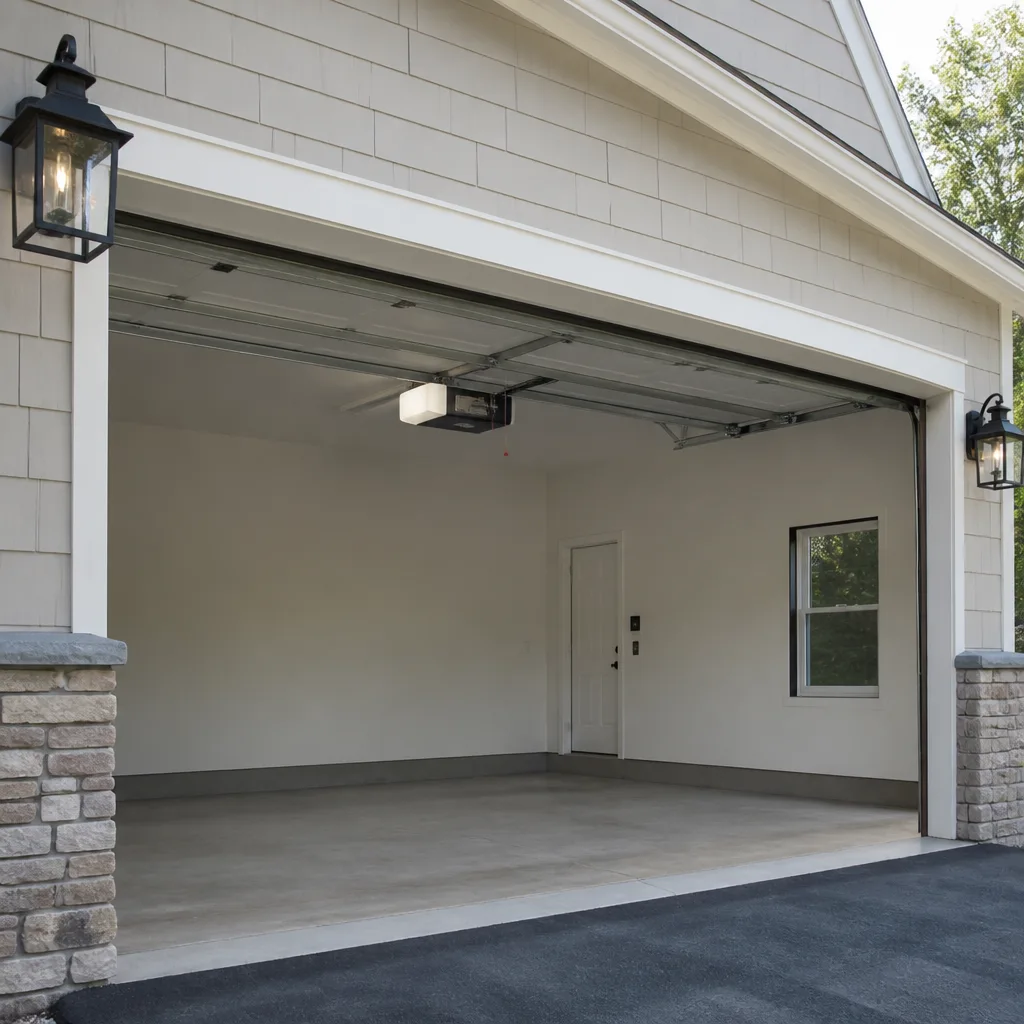
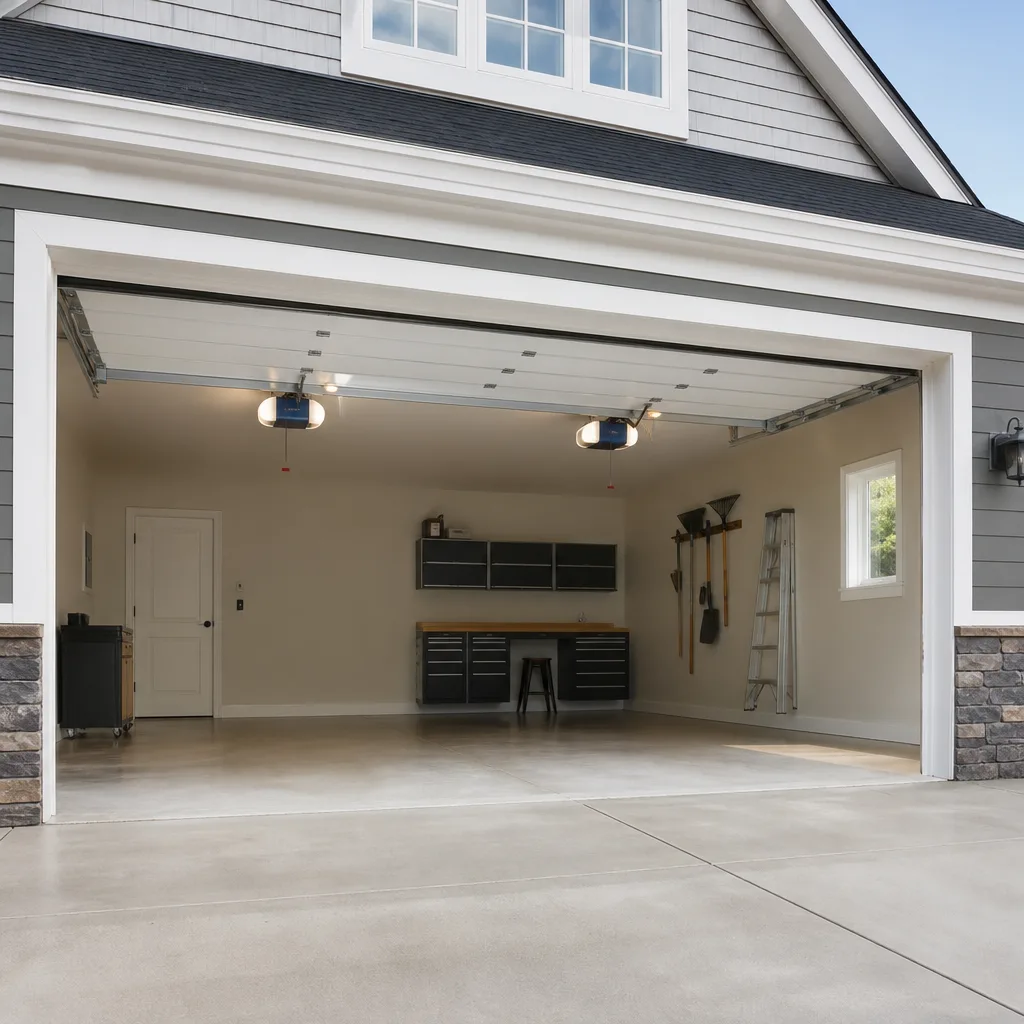
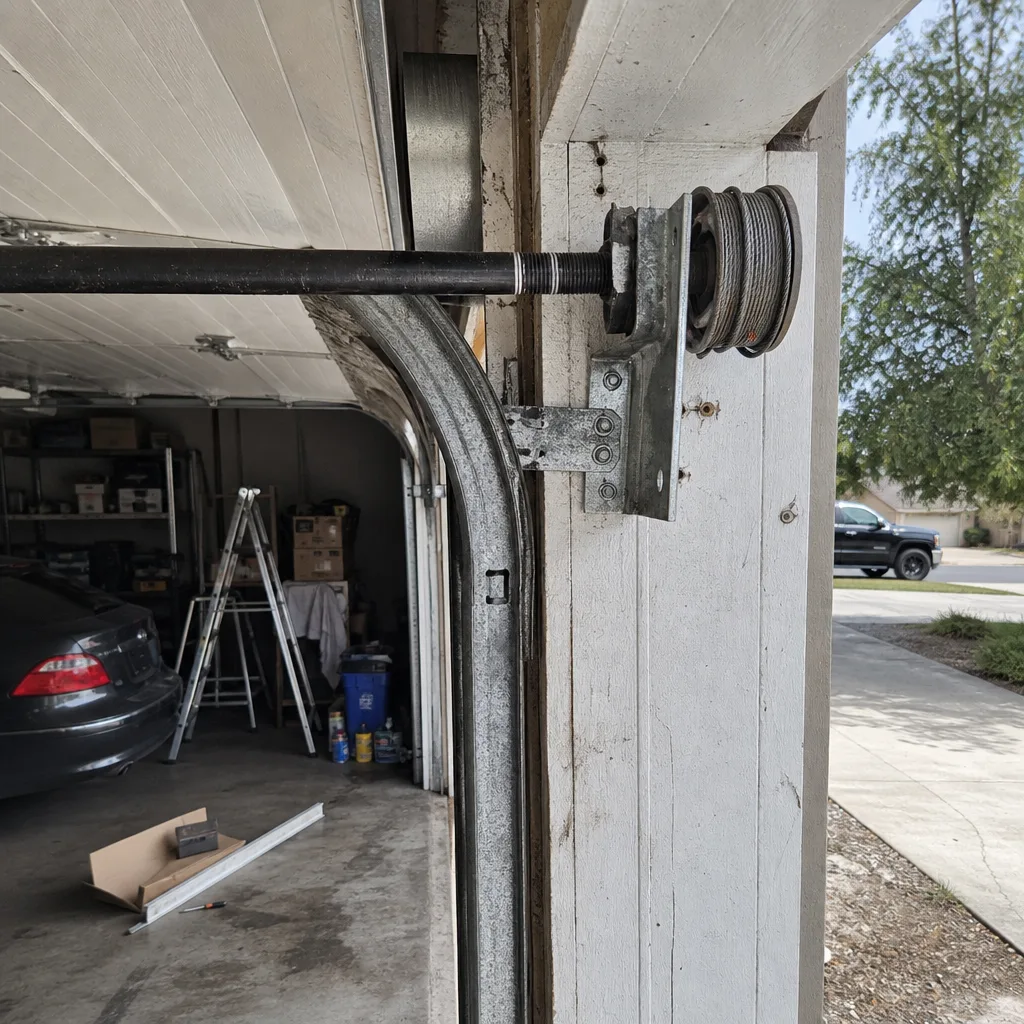 Before
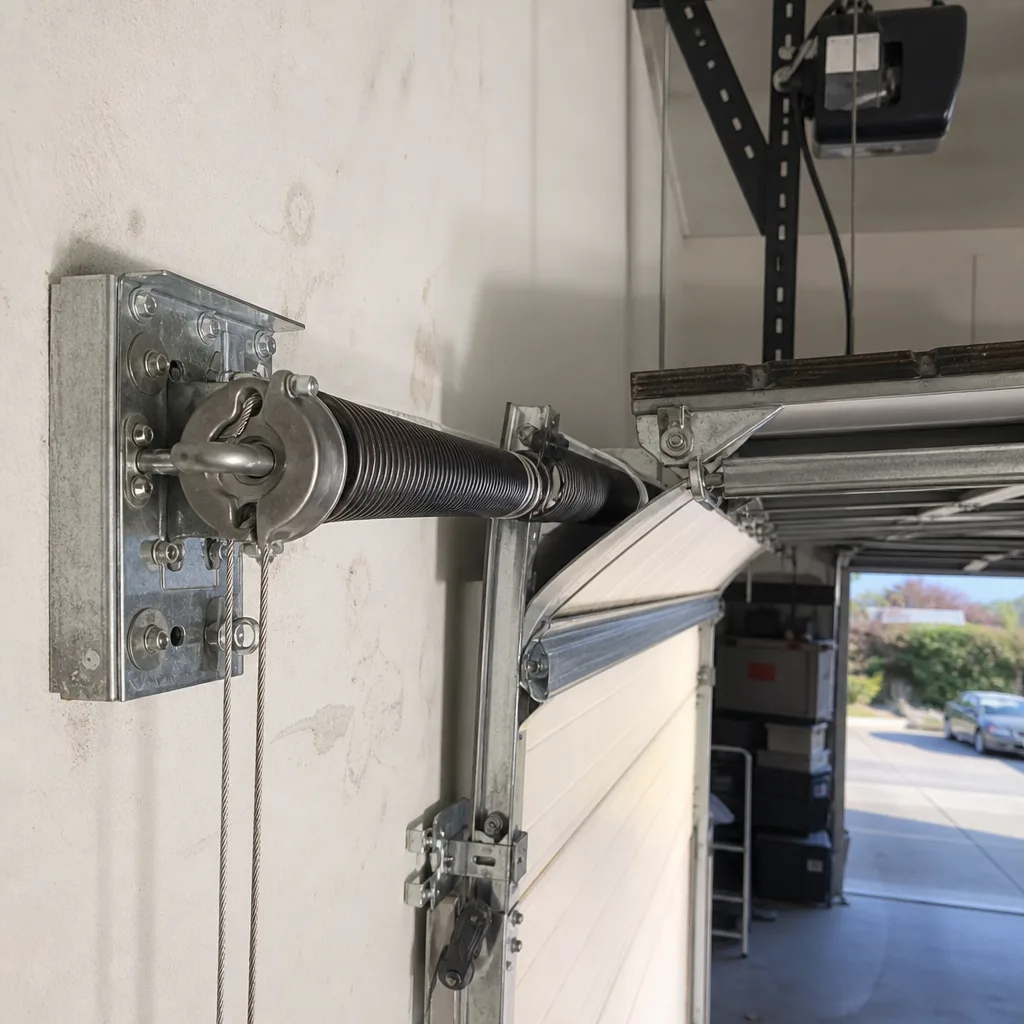 After
After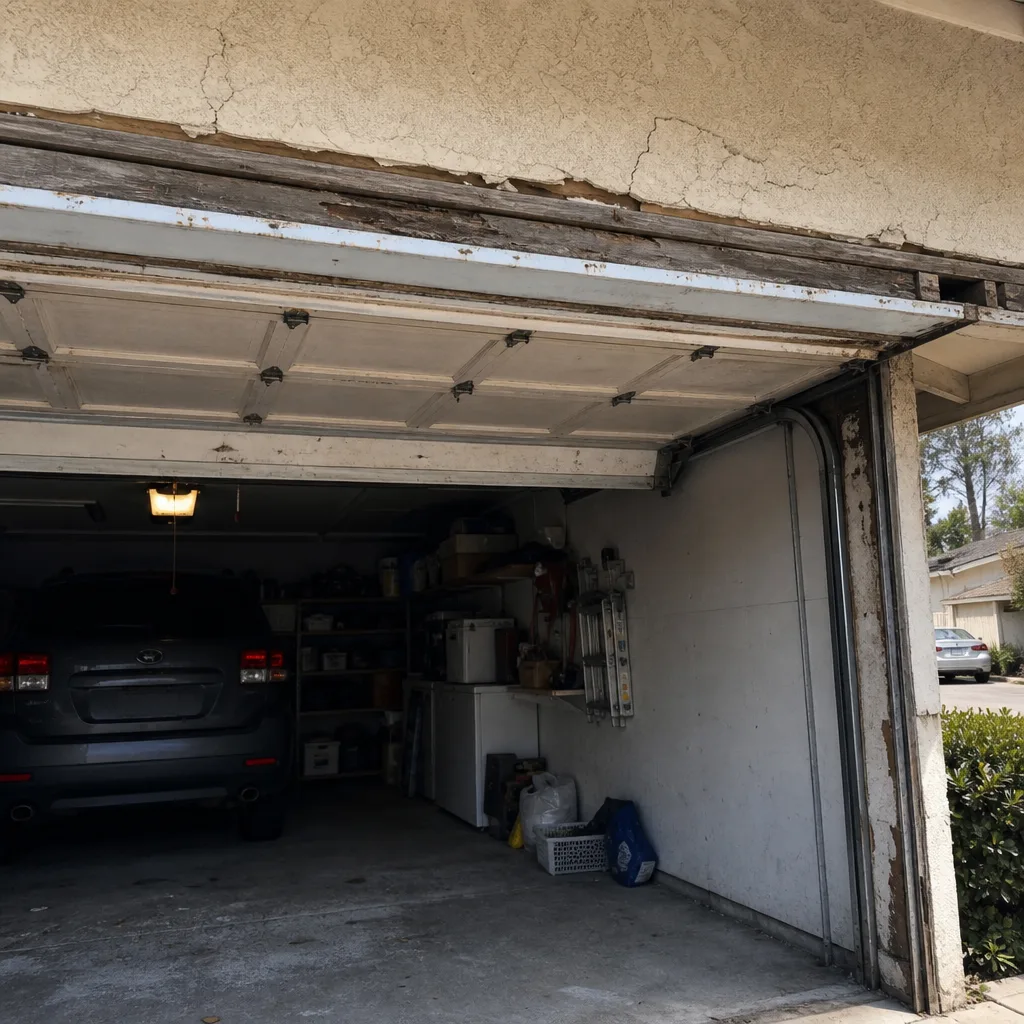 Before
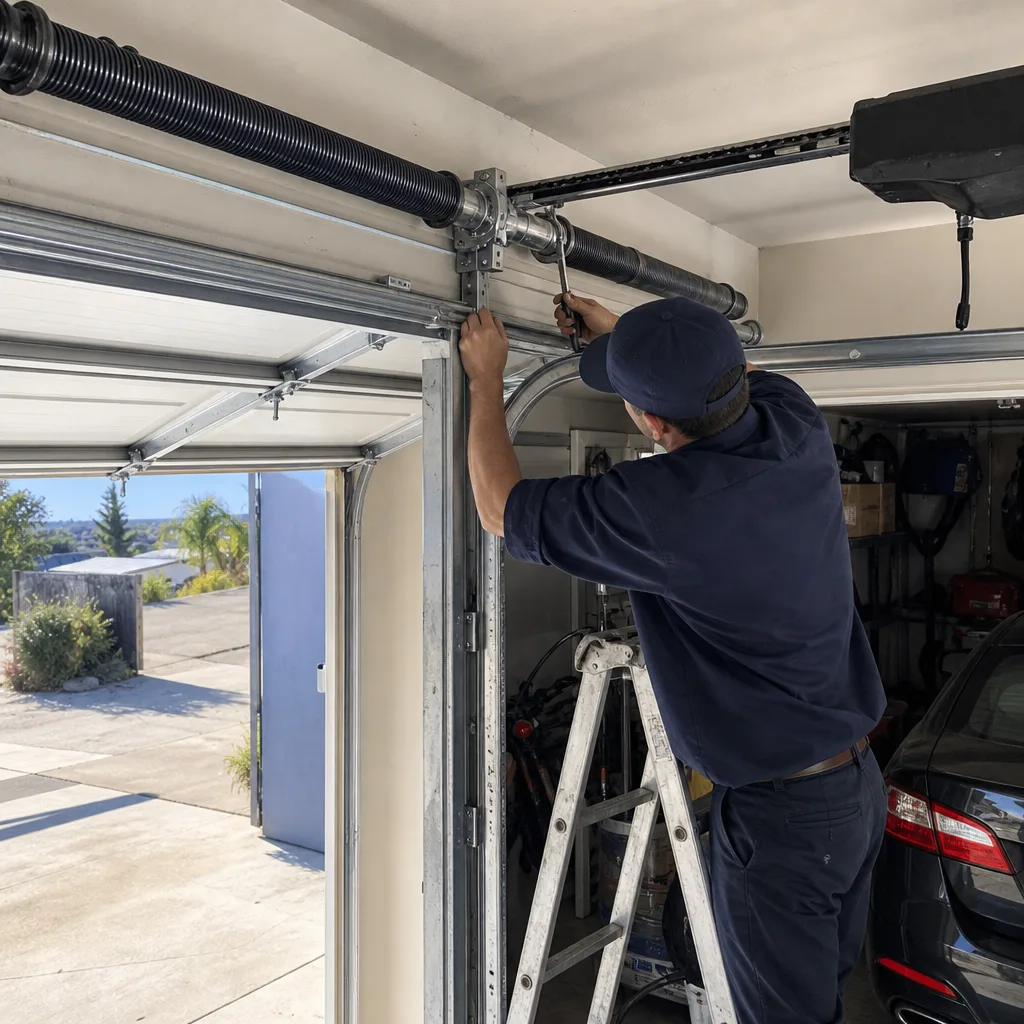 After
After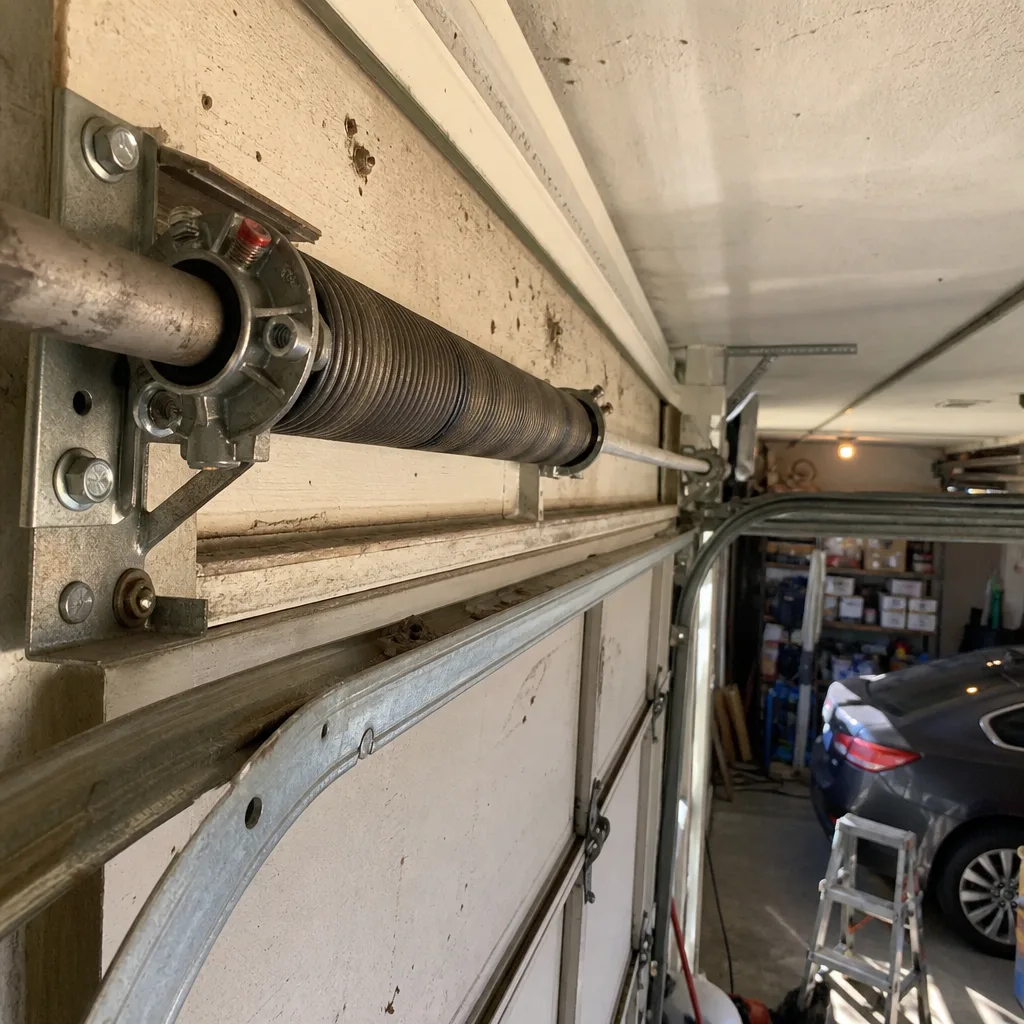 Before
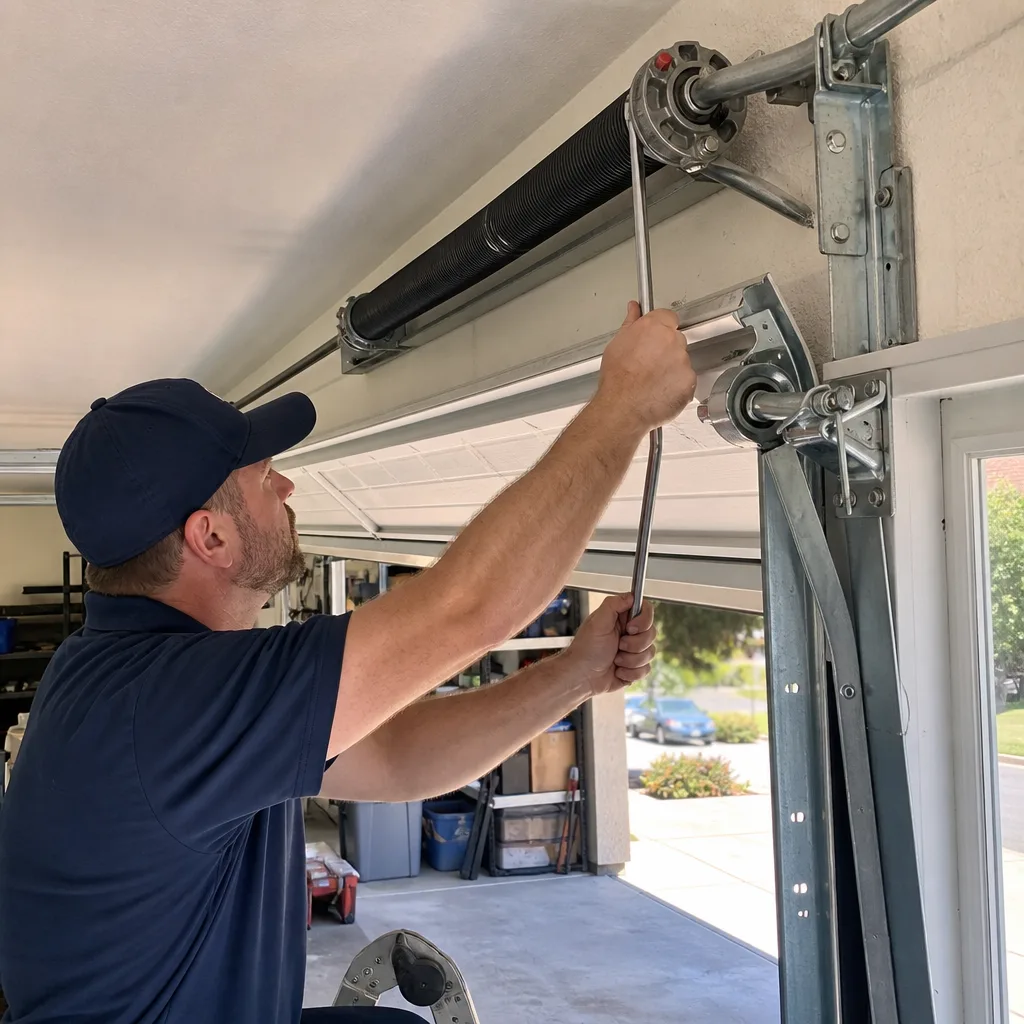 After
AfterRaynor Weather Seal Replacement: The Valley Center Owner’s Guide
We stock and install Raynor-compatible weather seal replacement throughout Valley Center, and most jobs run between $90 and $180 installed, parts included. We carry the common profiles on the truck, so in most cases the swap happens the same day you call. You usually discover this part failed the same way everyone does: you see a strip of gray rubber hanging off the bottom of the door, or you feel a draft against your ankles while you’re working in the garage.
Here’s the thing about weather seal on a Raynor door. It’s the one part that touches the ground every single time the door closes. In Valley Center, that means it’s grinding against decomposed granite dust, summer heat that bakes the rubber brittle, and the occasional puddle from a winter storm rolling through the hills. The bottom seal takes the abuse so the panel doesn’t have to. When it’s flattened, cracked, or torn, you’re letting dust, leaves, mice, and Valley Center’s fine grit come straight under the door and into your garage.
Not affiliated with Raynor directly. We’re an independent shop that’s been working on their doors since 2004, and Otto Reinhardt knows the difference between a seal that fits a Relante and one that fits a Decade or an Aspen series without looking sideways.
Which Raynor Models This Applies To
Raynor uses two main bottom seal styles on residential doors, and the wrong one will either fall out on day two or bind the door on the way down. The most common is the T-style channel seal, also called a bulb or astragal. That’s the round rubber bulb on the bottom with a T-shaped stem that slides into a retainer channel. You’ll find it on most Raynor sectional doors from the last twenty years: the Centura, Relante, Decade, and standard residential builds.
The second style is the U-shape or channel seal that cups over the bottom of an older steel door or a custom carriage setup. Some of the older Raynor doors came with a screw-on aluminum retainer, and there’s an owner somewhere in Valley Center right now who’s bought a T-style seal for a U-style door and ended up calling us to fix the fix.
Here’s the compatibility gotcha that saves you a trip: measure the width of the channel, not the old rubber. Raynor retainers typically run either 1/4-inch or 3/16-inch on the T-channel. If you guess by eyeballing the flattened rubber, you’ll be wrong about half the time. The diameter of the bulb matters too, usually 3 to 4 inches on Raynor residential doors. Too small and the seal gaps over uneven concrete. Too big and it drags and tears against the driveway.
On the OEM-versus-aftermarket question, here’s our honest take. Raynor’s branded seal is good rubber, but the aftermarket T-style seals made from EPDM rubber with a UV stabilizer last just as long in Valley Center’s sun, and they cost about half. For most homeowners, a quality EPDM aftermarket seal is the smarter money. Where we insist on OEM is when a customer has a newer Raynor under warranty, or a door where the retainer is a slightly odd profile that the generic seals don’t seat into properly.
And here’s the second checkable specific: EPDM rubber holds up in heat and UV far better than vinyl. Vinyl seals are cheaper, but in Valley Center’s summer temperatures, vinyl hardens and cracks within two to three years. EPDM will run you five to seven before it starts losing its shape. We don’t stock vinyl bottom seals for Raynor doors for exactly that reason. They come back too soon, and we’d rather sell you the part that stays gone.
Signs Your Raynor Weather Seal Replacement Is Failing
- Daylight showing under the door. Close the door and look from inside the garage. If you see slivers of light along the bottom, the seal is either flattened past recovery or the door is out of level. Usually it’s the seal.
- A line of dust or debris inside the garage, right where the door meets the floor. In Valley Center, that fine red-brown grit works its way under a failing seal in a week. If you sweep the same line of dust every few days, the seal is done.
- Visible tears, chunks missing, or rubber that looks squared-off instead of round. A healthy bottom seal has a full round bulb. Once it’s flattened, cracked, or the corners are chewed up, the part is past saving.
- Drafts or cold air at ankle level. Valley Center can drop into the low 30s on winter nights, and a torn seal is an open invitation for every cold breeze off the mountains. You’ll feel it before you see it.
- Rodent droppings or signs of pests in the garage. Mice need less than half an inch to squeeze through. A frayed weather seal is a posted sign saying welcome. We see this constantly on doors near open ground and brush.
Replacement Cost & What’s Included
For a Raynor bottom weather seal replacement in Valley Center, expect $90 to $180 installed. That includes the seal itself, the labor to swap it, a quick check of the retainer channel for damage, and hauling the old rubber out. The spread comes down to a few things: the length of your door, whether the retainer needs cleaning or minor straightening, and whether you’ve got a T-style or U-style channel. Parts-wise, the seal alone runs $30 to $70 depending on length and quality, and the rest is labor and the trip to your driveway.
| Service | Price Range |
|---|---|
| Bottom weather seal replacement (installed) | $90-$180 |
| Seal part only (aftermarket EPDM) | $30-$70 |
| Retainer channel replacement (if damaged) | $40-$90 |
| Full perimeter seal kit (sides, top, bottom) | $150-$260 |
Every job gets our 90-Day Done Right Promise in writing. If the seal tears, pulls out, or doesn’t sit right within ninety days, one call brings us back at no charge. We also quote the price before we touch anything, and that number doesn’t change when the truck pulls up. Otto quotes it, the person in the truck honors it, and the invoice matches.
DIY or Call Us?
Weather seal replacement isn’t a high-tension job the way springs and cables are. You’re not fighting 200 pounds of door on this repair, so a careful homeowner can absolutely do it themselves with the right part and a little patience. Where DIY goes wrong is measuring the channel wrong, buying vinyl instead of EPDM, or fighting a seal into a retainer that’s still full of old rubber and dirt. Then you’ve got a half-installed seal, a frustrated afternoon, and a door that still lets dust in.
What we’d tell you to check safely: confirm the channel width and the bulb diameter, and take a photo of the end profile before you order anything. If the retainer is smashed, rusted, or bent, that part needs replacing too, and you’ll want a second set of hands. If you’d rather skip all that and have it done right the first trip, call (760) 906-8603. Otto will tell you what it needs. Not what pays better.
FAQs
With an EPDM rubber seal, you’ll get five to seven years in Valley Center before the heat and UV break it down. A vinyl seal runs two to three years at best. We only install EPDM for that reason. Call (760) 906-8603 and we’ll match the right seal to your door.
No. Once the rubber is cracked, flattened, or torn, it can’t be glued or patched back to a working state. The fix is a new seal, which is why we keep the common Raynor profiles on the truck in Valley Center.
Most bottom seal replacements take 30 to 45 minutes, including cleaning out the old retainer channel and testing the door’s travel afterward. It’s a same-day job in nearly every case.
We do. We carry T-style, U-style, and retainer-mounted seals, plus full perimeter kits for the sides and top. If you’ve got a Raynor with an odd profile, we’ll measure it and order the exact match, usually in by the next day.
Written by Otto Reinhardt, Owner, Otto’s Garage Door at Otto’s Garage Door, serving Valley Center and nearby areas.