
Last updated September 10, 2026
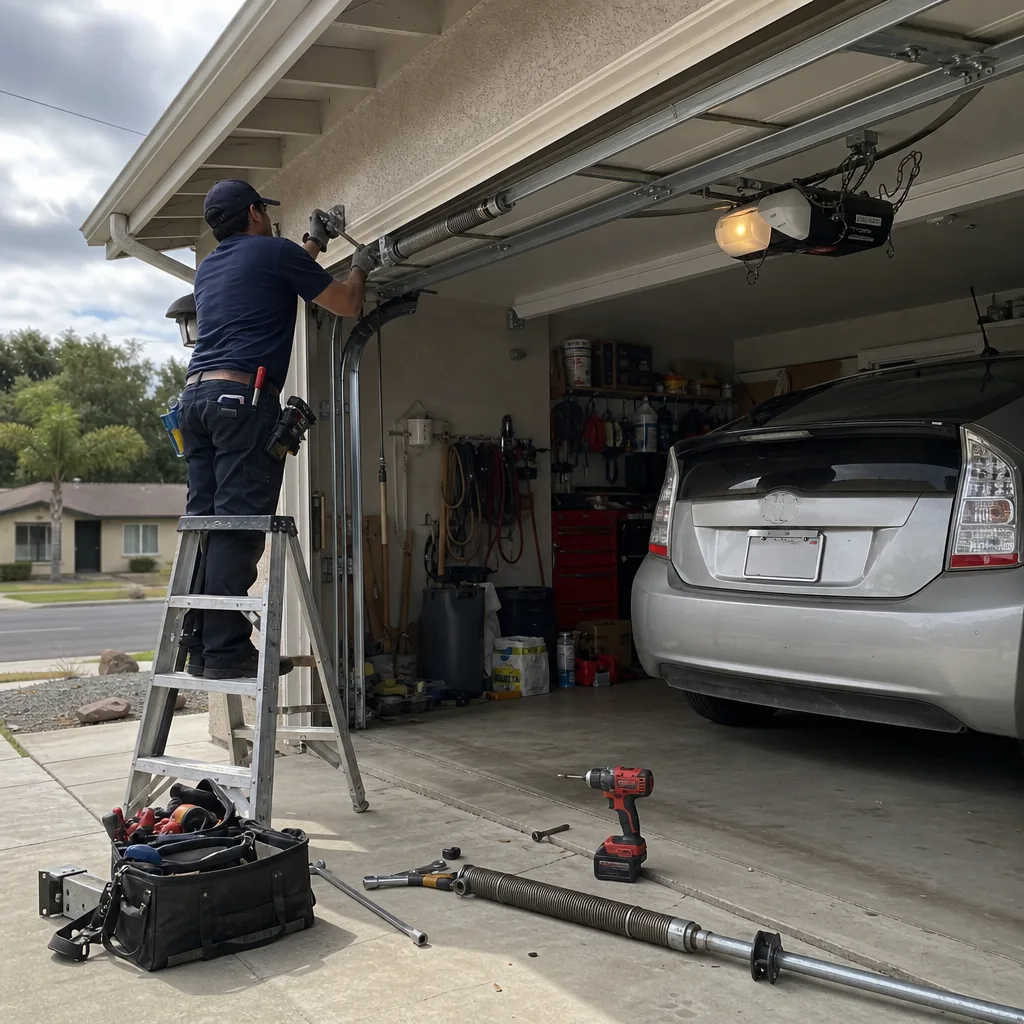
Full 25-point door and opener safety check with every visit - springs, cables, rollers, tracks, and your LiftMaster or Chamberlain opener included
You get a price before we start. It does not change when the truck arrives.
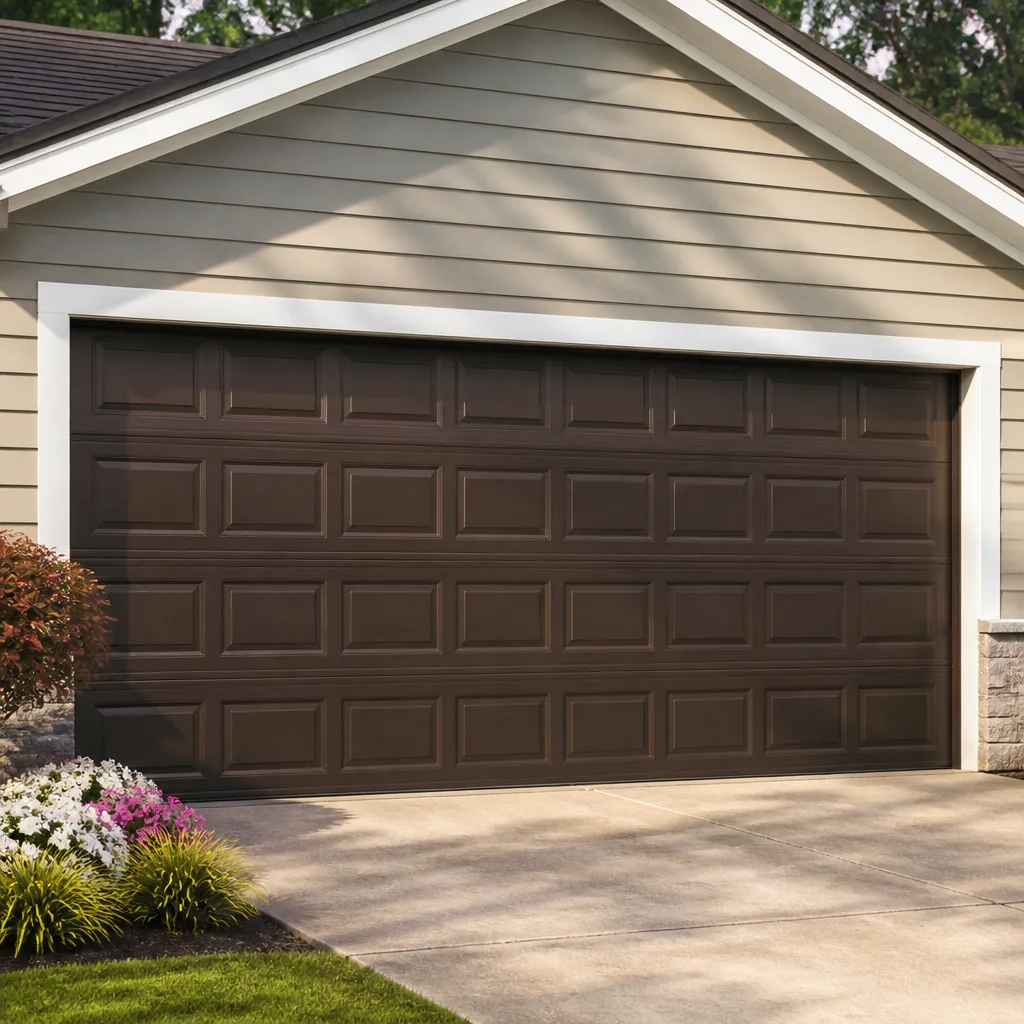
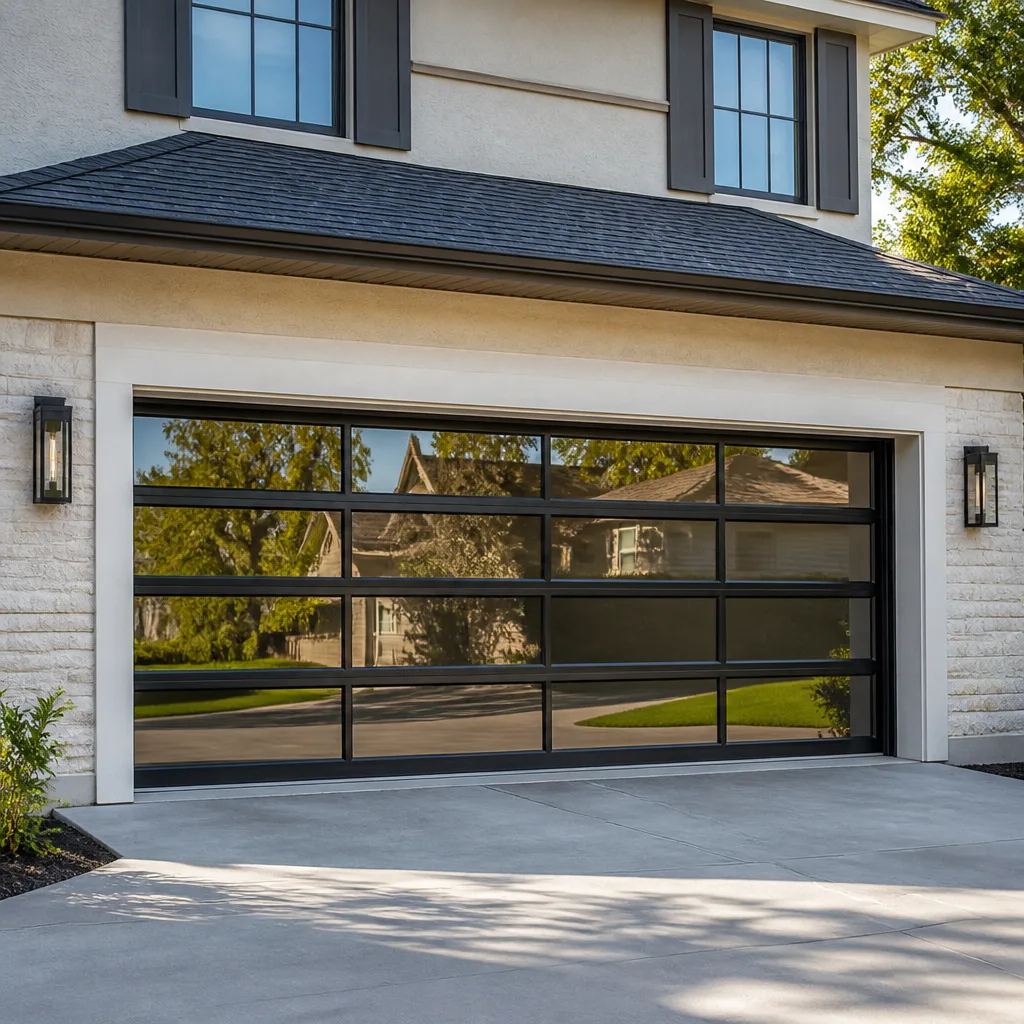
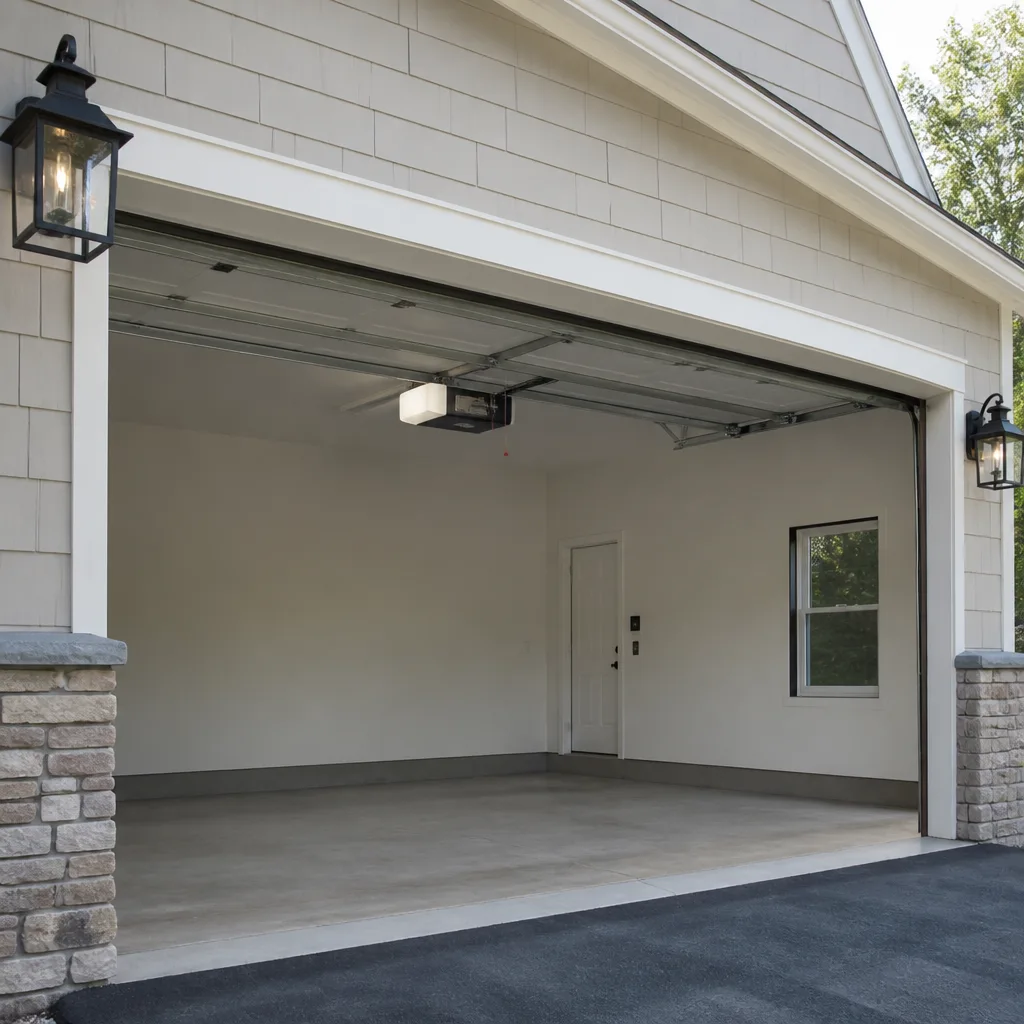
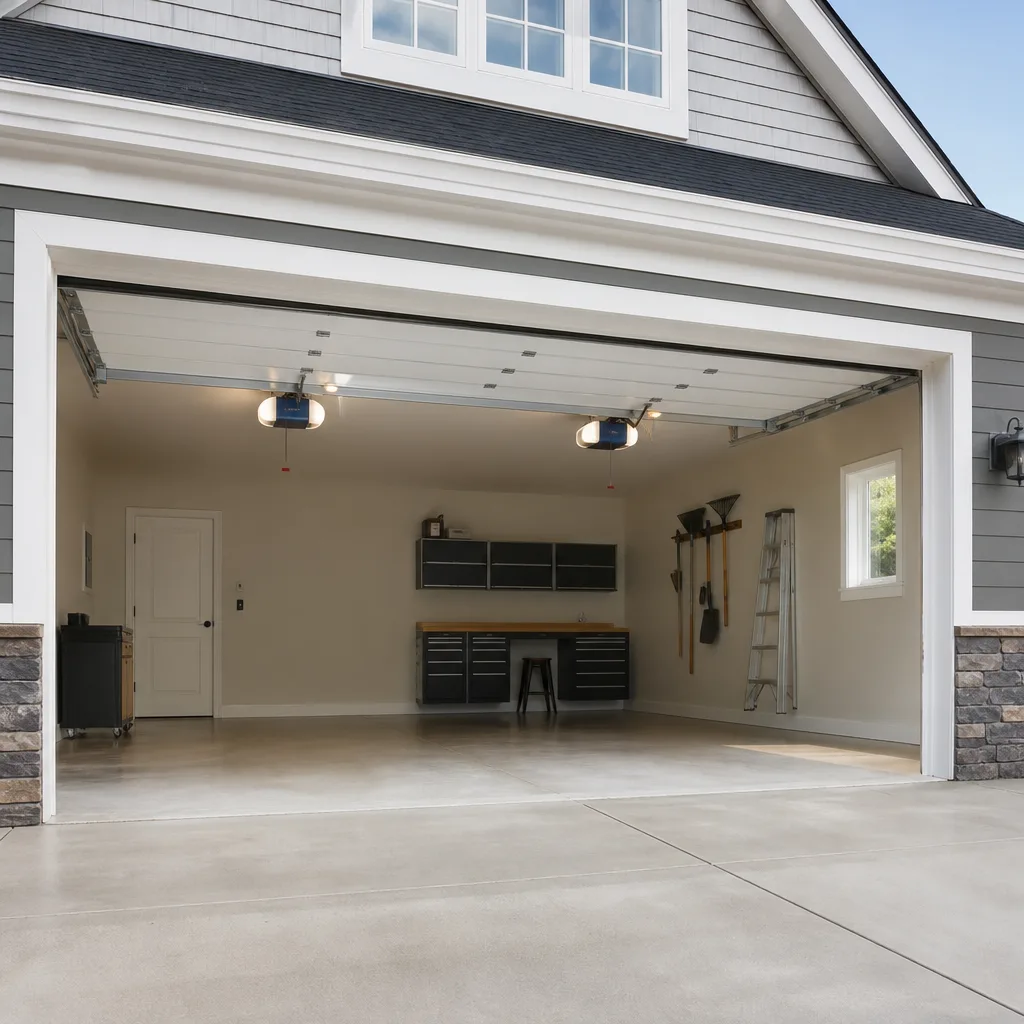
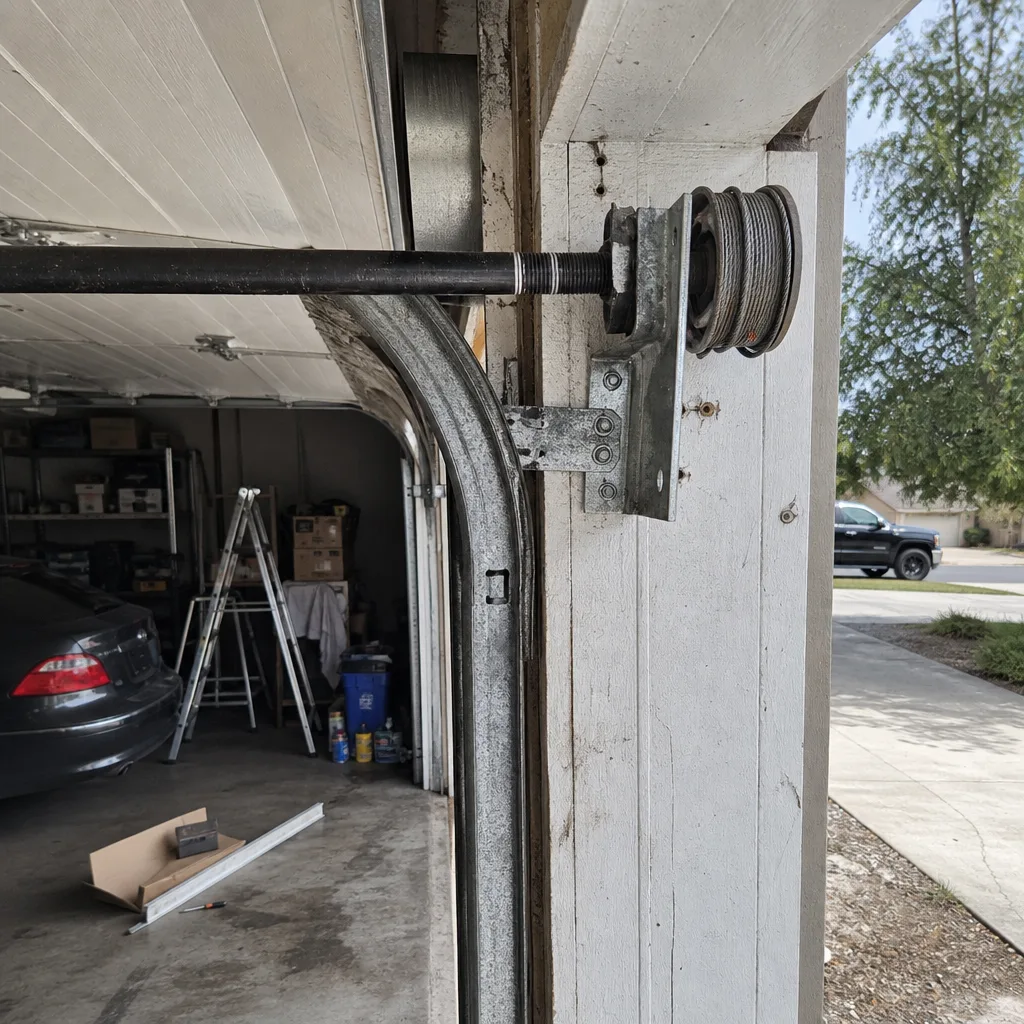 Before
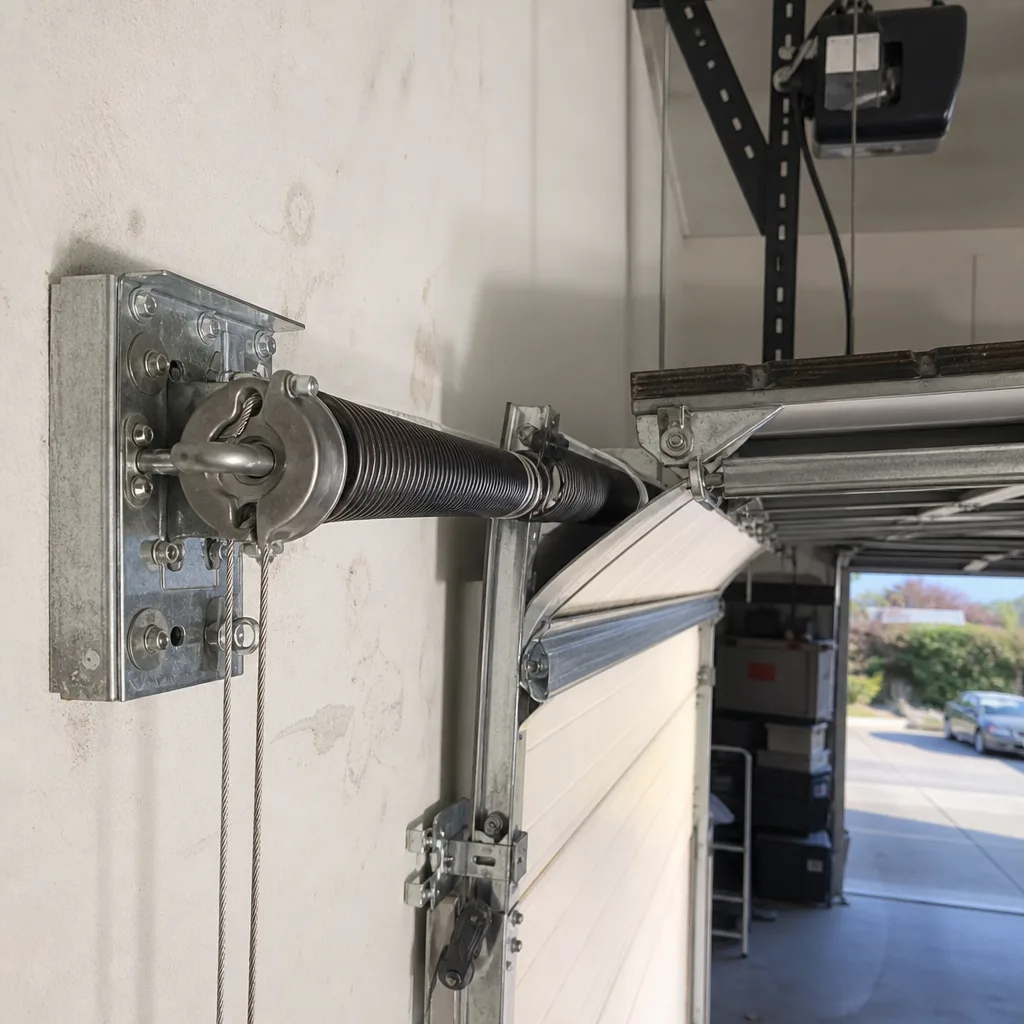 After
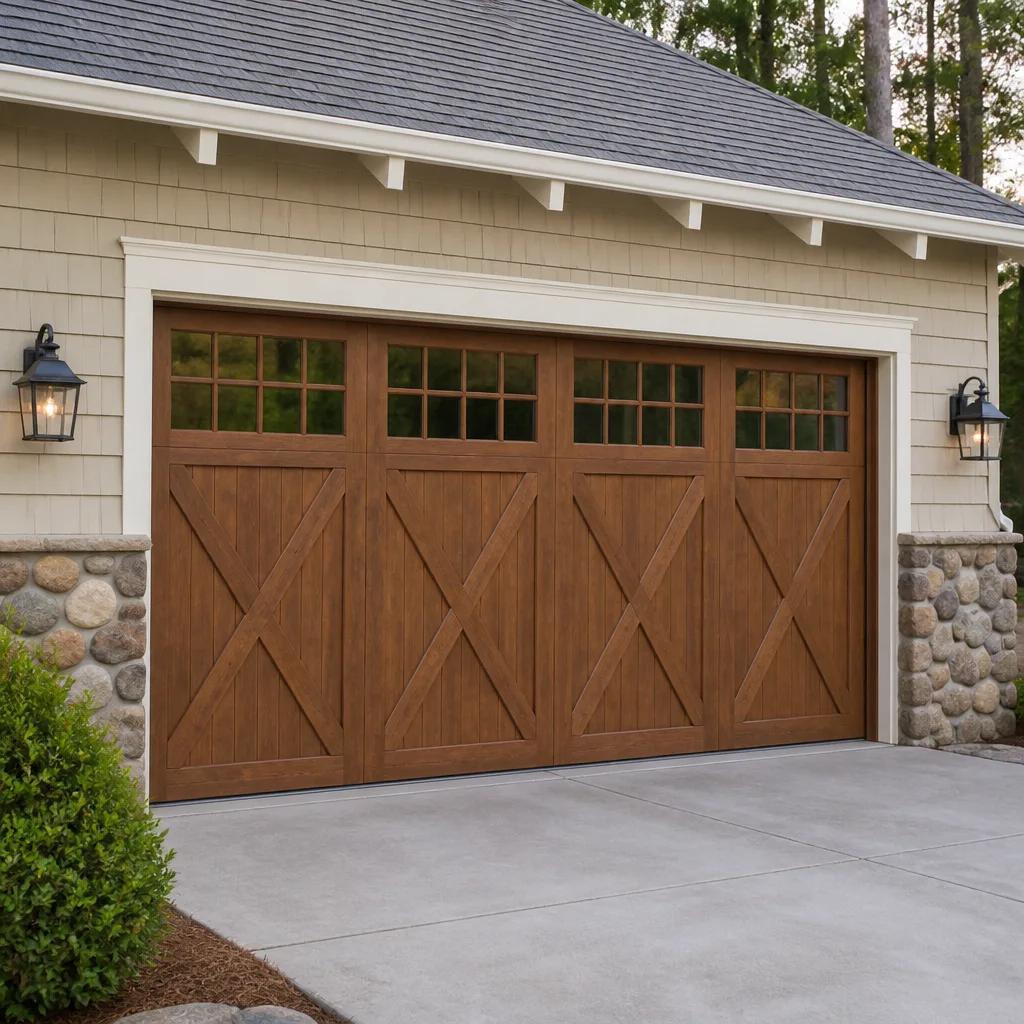
After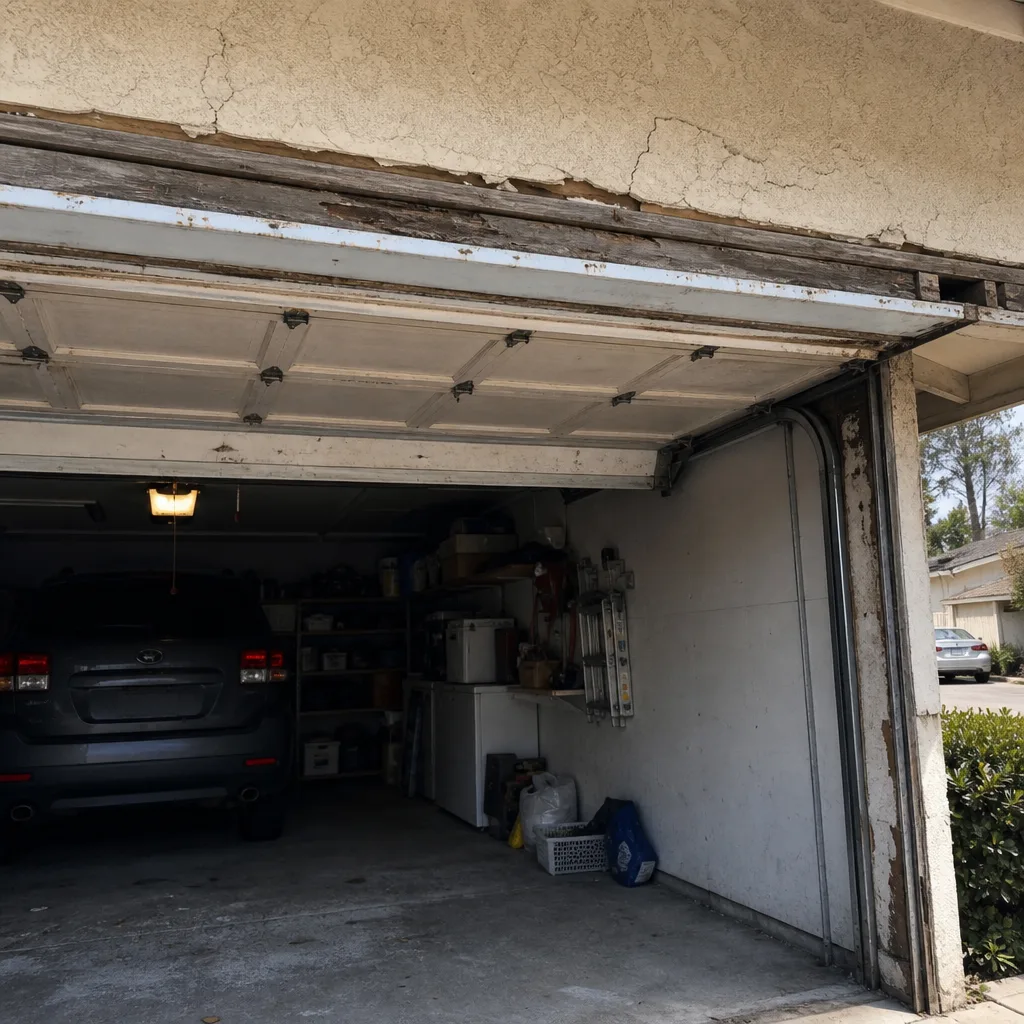 Before
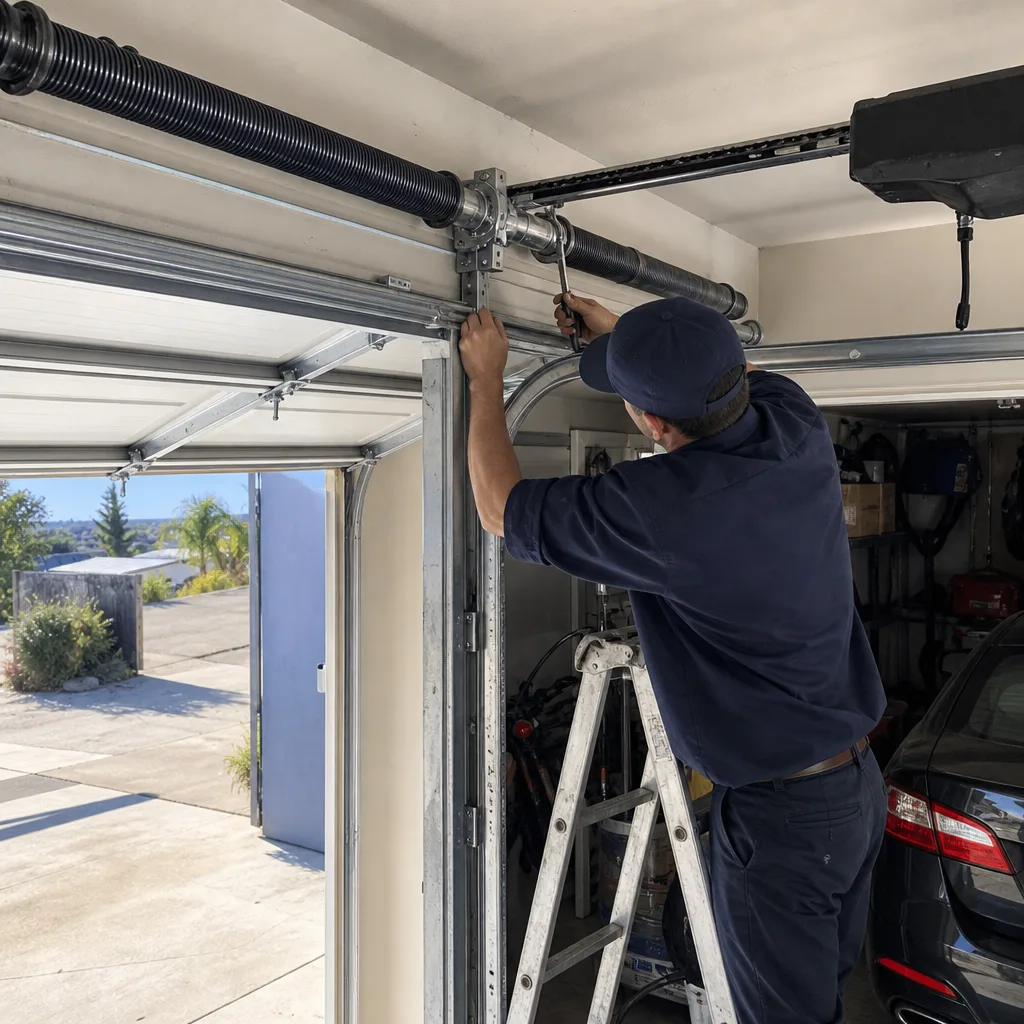 After
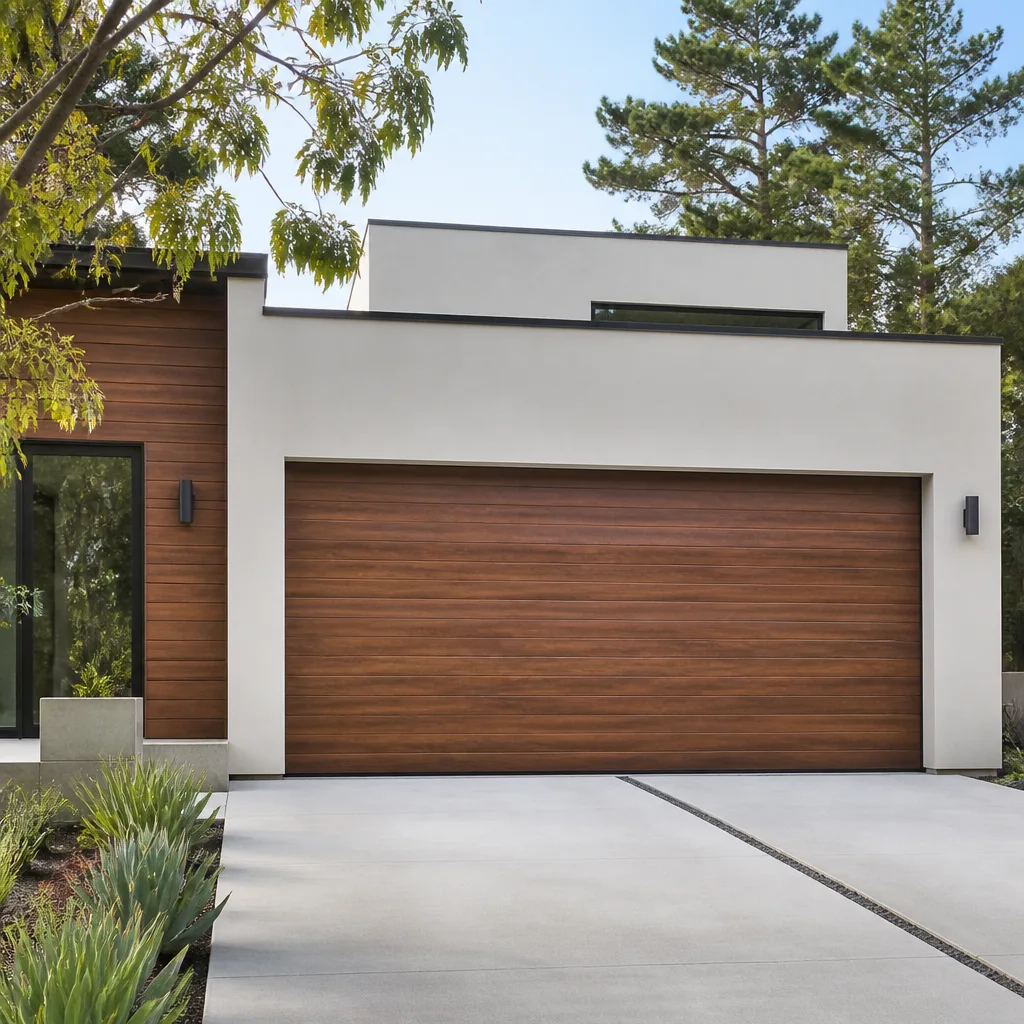
After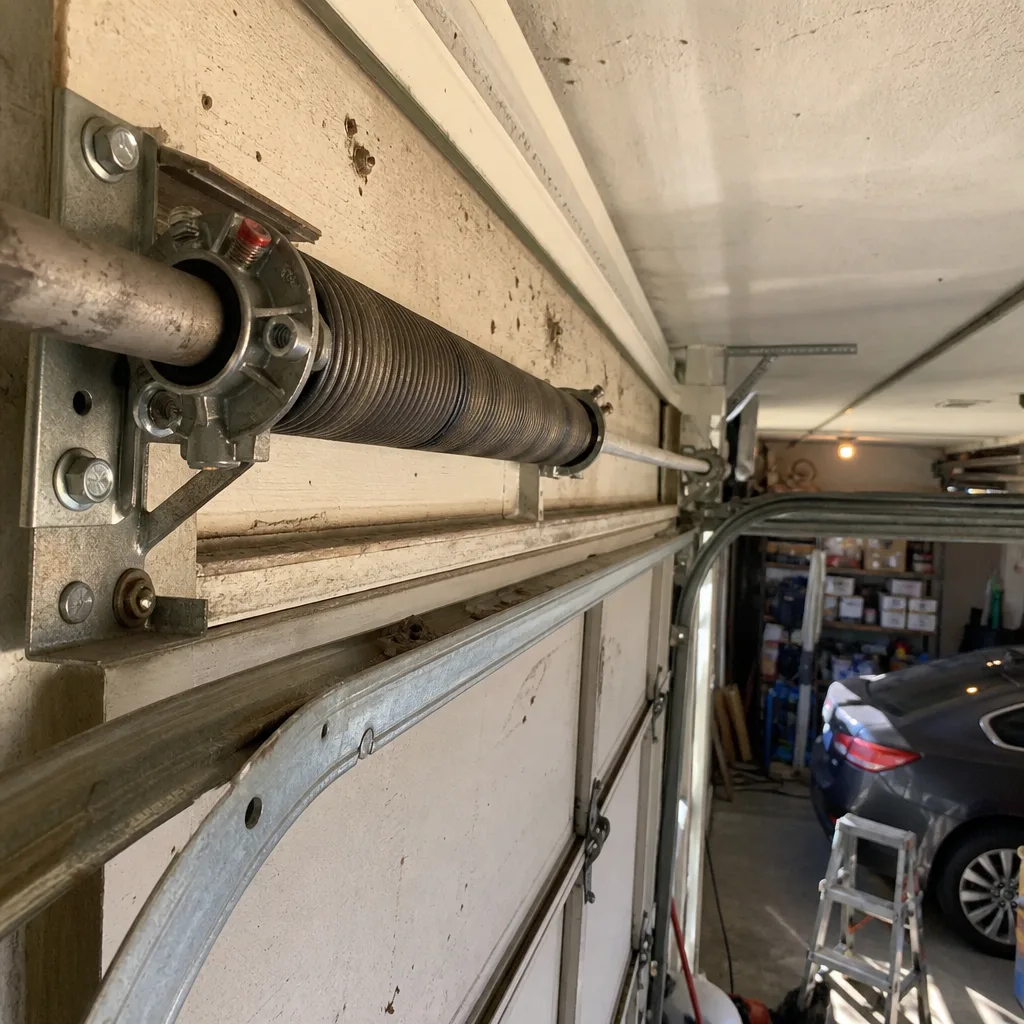 Before
 After
AfterThe Complete Guide to Garage Door in Valley Center
Most garage door guides are written for a generic suburb. Valley Center is not a generic suburb. You’re at 2,500 feet of elevation, your driveway probably sees more caliche dust than rain, and your door bakes in triple-digit heat for four months a year while occasionally waking up to frost in January. All of that changes what breaks, what lasts, and what you should buy in the first place. This guide walks you through everything from material choice to fire-zone code to what a fair invoice actually looks like here in Valley Center, so you can make decisions without getting taken for a ride by a franchise truck passing through town.
Quick Answer
The right garage door for Valley Center is a 25-gauge or better insulated steel door with a powder-coat finish, paired with a belt-drive opener rated for heat, because our elevation sun, caliche dust, and occasional below-freezing nights punish thin metal, wood finishes, and cheap opener gears faster than coastal climates. A typical repair runs $145 to $340, a new door runs $1,100 to $4,200 installed depending on size and insulation, and the work is best handled by a locally licensed contractor who pulls permits through San Diego County rather than a franchise that scales prices and disappears. Before you spend a dollar, verify the license, ask about local fire-zone setbacks, and get spring-cycle counts on any door older than eight years.
Table of Contents
- Why Valley Center’s Climate Is Harder on Garage Doors Than San Diego
- Steel, Wood, or Composite: What Actually Survives at 2,500 Feet
- Fire Zones, Setbacks, and Permits: Valley Center Code Reality
- Real Cost Ranges for Valley Center Garage Door Jobs
- Spring Cycles, Caliche Dust, and the Repairs We See Most
- The One Question That Exposes Whether a Contractor Knows Local Code
- Local Owner vs. Franchise Truck: What Changes on Your Invoice
- A Valley Center Maintenance Calendar That Actually Works
Why Valley Center’s Climate Is Harder on Garage Doors Than San Diego
A garage door in Valley Center ages differently than the same door twenty miles west. The marine layer that keeps coastal San Diego mild never reaches us. We get real heat, real cold snaps, and dust that works its way into everything with a moving part. If you’ve lived here past one summer, you already know this from your car filters and your sinuses. Your garage door knows it too.
Three local conditions do most of the damage. First, the heat. In July and August, the surface of a west-facing steel door can hit 160 degrees. That heat breaks down nylon rollers, warps thin-gauge panels, and murders opener circuit boards inside unventilated garages. Second, the cold. Valley Center can dip below freezing on winter nights, and that thermal swing from 25 degrees at dawn to 75 by noon causes metal panels to expand and contract, loosening hardware over time. Third, the dust. Caliche and decomposed granite get into hinges, tracks, and opener gears, turning lubrication into grinding paste. A door that would last 15 years in Carlsbad might need its first major repair at year 8 here if neglected.
What does this mean for decisions? Buy insulation you think you don’t need. An insulated door is not just for keeping a workshop warm. It adds structural rigidity, reduces flexing in wind, and keeps the opener cooler. In our experience at Otto’s Garage Door home, insulated doors in Valley Center show measurably fewer panel dents and track misalignments at the five-year mark than uninsulated ones. The steel gauge matters more than the insulation R-value. If a salesperson quotes an R-value but can’t tell you the steel gauge, that’s the first warning sign to keep walking.
Steel, Wood, or Composite: What Actually Survives at 2,500 Feet
Three material options dominate the Valley Center market. Here’s what we’ve learned installing and repairing all of them across this county since 2004.
Steel is the default for good reason. A 25-gauge or 24-gauge steel door with a baked-on finish handles Valley Center’s UV exposure without fading badly for a decade, and it doesn’t care about the dry rot conditions that chew through wood. The catch is that cheap steel, meaning 27-gauge or thinner, dents when a kid’s basketball hits it and flexes visibly in Santa Ana winds. Steel doors from brands like Amarr, Wayne Dalton, and Raynor run from entry-level to architectural grade; the difference between a good steel door and a forgettable one is the gauge, the insulation core type, and the hardware quality. Good steel is the clear winner for about 80 percent of Valley Center homes.
Wood is the prettiest option and the least forgiving here. Valley Center’s dry heat doesn’t rot wood the way the coast does, but it does crack it, fade it, and separate the joints. A solid redwood or cedar door needs refinishing every two to three years in our climate, not the five you might get away with elsewhere. If you want the wood look without the maintenance, a steel door with a wood-grain emboss and a factory finish is what we recommend to most of our customers who stop by the shop asking for the warm look.
Composite splits the difference. It resists dents better than thin steel, won’t rot like wood, and handles heat well. The trade-off is cost and weight. Composite doors are heavy, which means you need a heavier spring system and a stronger opener. Worth it if you’re in a fire-prone zone and want fire-resistant materials, but overkill for many.
Our advice for Valley Center specifically: if the door faces west or south with no shade, steel with a light color is your move. Dark doors absorb so much heat in August that the panel surface will burn your hand. A light tan or white door runs 30 to 40 degrees cooler on the surface, and the opener lasts longer because of it.
Fire Zones, Setbacks, and Permits: Valley Center Code Reality
Valley Center sits in a high fire hazard severity zone. Before you ever pick a door style, you need to know what the county will let you build. A door between a garage and living space in a new or remodeled structure often needs a fire-resistance rating, typically 20-minute fire-rated construction with the right seal kits and self-closing hardware. If your home is older and you’re replacing a door, you may be grandfathered, but adding or widening a garage opening triggers current code.
Setbacks matter too. Rural lots here often have irregular boundaries, easements, and older structures that were built before current setback rules. Widening a garage door from a single to a double might require a closer look at the property line than you’d think. We’ve had customers surprised that shifting a door six feet to one side required revised drawings because of a side-yard setback.
Permits are the other piece. For the full picture on requirements across California, read Garage Door Permits, Codes & Inspections in CA: What You Need to Know. San Diego County requires a building permit for structural garage door changes, including opening size changes, header work, and some full door replacements depending on scope. A good local contractor pulls permits through the San Diego County building department and meets the inspector at a scheduled time. A contractor who tells you permits are “not necessary” for a structural change is either guessing or planning to skip the inspection. Either way, that’s a liability you carry, not them. The person who pulled the permit is the person whose name goes on the record, and that’s exactly why a local company’s license number matters.
Real Cost Ranges for Valley Center Garage Door Jobs
National averages are useless for Valley Center. For a detailed breakdown of what drives pricing here, see our Garage Door Cost Breakdown: The Valley Center Homeowner’s Reference for 2026. Here’s what we actually see on invoices in this market, with the line items homeowners should recognize.
- Service call and diagnosis: $45 to $89 (often waived if we do the repair on the same visit)
- Spring replacement (pair): $180 to $340 installed, including labor and springs rated for 10,000 to 25,000 cycles
- Cable replacement: $120 to $220, including re-spooling and tension balancing
- Roller replacement (full set): $100 to $230, nylon with sealed bearings for quiet operation
- Opener replacement: $350 to $750 for a belt-drive unit, installed, with safety sensors aligned and remote programming done on site
- Full door replacement: $1,100 to $2,400 for a standard 16×7 steel door installed; $2,400 to $4,200 for insulated, custom-height, or premium material doors
- Track realignment: $125 to $250, including tightening all hardware after shifting
Two things drive price differences here more than anywhere. First, door height. Valley Center has a lot of truck and RV owners, and a door sized for a lifted truck or a fifth-wheel trailer is taller than the standard 7 feet, which adds material cost and sometimes requires a ceiling lift conversion in the opener. Second, access. Some Valley Center properties have long gravel drives, tight turnarounds, or gate clearances that make delivery and installation slower. That’s real labor time.
Before any work starts, a reputable shop quotes the job and holds the number. If a quote is vague, verbal, or “subject to change,” treat it as a warning. You should know the total price, the parts being installed, and the warranty period in writing before the first bolt comes off.
For a deeper breakdown on repair-specific costs, see Garage Door Repair in Valley Center.
Spring Cycles, Caliche Dust, and the Repairs We See Most
A garage door is a 200-pound object riding on two springs. Respect it. The springs do all the lifting; the opener just guides the motion. When a spring breaks, it sounds like a gunshot in the garage, and the door becomes almost impossible to lift manually. That’s the number one emergency call we get in Valley Center, and it happens on a predictable clock.
Springs are rated in cycles, not years. A standard 10,000-cycle spring on a door opened twice a day lasts about 13 years. A door opened four times a day, common for families with kids and multiple vehicles, burns the same spring in under seven years. If your door is eight years old and still on original springs, start planning for replacement now, not when one lets go at 9 p.m. with your truck inside the garage. We count spring cycles the way you count tire miles, and we’ll tell you what’s left on yours during a routine visit.
Caliche dust shortens the life of other parts silently. Hinges and rollers wear faster when dust mixes with grease. We see more cracked hinges and seized rollers in Valley Center than in any other part of the county. The fix is usually straightforward: replace all rollers at once, not just the one that failed, because if one is worn out the others are right behind it. A full nylon roller swap quiets a noisy door immediately and saves the hinges from further wear.
One other pattern we see here: opener failures blamed on the opener when the real problem is a heavy, unbalanced door. If the door is hard to lift by hand with the opener disengaged, the opener is working against a spring problem or a track obstruction. No new opener will fix that. If the opener is straining, the problem is almost never the opener. Diagnose the door first, then touch the motor.
For opener-specific guidance, visit Garage Door Opener in Valley Center.
The One Question That Exposes Whether a Contractor Knows Local Code
Ask this exact question: “What fire-rated requirements apply to my garage door in this fire zone, and will my permit require a self-closing mechanism?”
Here’s why it works. A contractor who has actually pulled permits in Valley Center can answer immediately, because they’ve sat across from county inspectors and dealt with fire-zone sheets. A franchise estimator or an out-of-town crew selling on price will either pause, deflect, or say “don’t worry about it.” That answer tells you everything. If they can’t answer the fire-rating question, they also can’t answer questions about setbacks, header load calculations, or wind load requirements for a 9-foot door on a rural lot.
Other questions worth asking before you sign anything:
- Can I see your California contractor’s license number right now? The number should be verifiable on the CSLB website before any work starts. A published address and license number are not privacy details; they’re public record, and a legitimate contractor will share them without hesitation.
- Will you pull the permit, or do I have to? The contractor should pull it. If they want you to pull it, run.
- What’s the spring cycle rating on the door you’re quoting? If they can’t answer, they’re selling a box, not a door system. Standard 10,000-cycle springs are fine for a rental, but for a long-term Valley Center home, upgrade to 20,000 or 25,000 cycles. The price difference is maybe $40 to $80, and it doubles the lifespan.
- Does the quote include removing and hauling the old door? Some out-of-town outfits add haul-away as a surprise line item. Get it in writing.
If you already have a written estimate from another company, bring it in. We offer a Free Second Opinion on any written estimate, no trip charge inside the county, because we’d rather earn a customer by being better than by being louder.
Local Owner vs. Franchise Truck: What Changes on Your Invoice
Here’s the difference in practical terms. A franchise truck rolls through Valley Center with a dispatcher three states away, a technician who may not know where Valley Center’s feed store is, and a price sheet designed for maximum invoice value per stop. A local owner-operated shop has a reputation that lives on the same roads you drive. Otto Reinhardt has been answering the phone for this business since 2004. The name on the van is the name on the invoice and the name on the license.
What does that actually mean when you compare quotes?
- Pricing behavior. A franchise often quotes a service call fee and then stacks repair line items at the door. A local shop quotes the job on the phone and holds the number when the truck arrives. We do not revise upward once you agree. The price you get on the call is the price on the invoice.
- Parts stock. We carry springs, cables, rollers, sensors, and opener parts on the truck. For Garage Door Repair in Valley Center, that means most repairs are done in one visit, not two. A franchise truck may need to order parts from a regional warehouse, which means a second trip and sometimes a second trip charge.
- Warranty follow-up. Our 90-Day Done Right Promise is written on every invoice. If something isn’t right within 90 days, you call the shop and talk to the owner, not a customer-service queue. We make it right.
- Local knowledge. We know which Valley Center neighborhoods have older track hardware, which HOAs require specific door styles, and which parts of town get the worst wind gusts off the hills. You can’t learn that from a call center script.
If you’re comparing a full Garage Door Installation in Valley Center between a franchise and a local shop, ask both for a written, itemized quote. Then compare line items. You’ll usually find the franchise charges more for labor and adds a “project management fee” or similar invented line. A local owner doesn’t need to invent fees. The truck, the tools, and the time are all already accounted for.
A Valley Center Maintenance Calendar That Actually Works
You don’t need to baby your garage door. You need to do four things a year, each taking ten minutes, and call someone when the door tells you something’s off. Here’s the cadence we recommend for Valley Center’s specific conditions.
Quarterly: The Obvious Stuff
- Stand inside the garage with the door closed and look at the springs, cables, and hinges. Look for rust on springs, fraying on cables, and any gap between a hinge and the door panel.
- Open and close the door once while watching and listening. Does it move smoothly, or does it stutter? Does it jerk at any point? A smooth door is a healthy door.
- Wipe the bottom of the door with a damp rag during dry season. Caliche dust builds up on the bottom seal and along the track edges; left alone, it grinds into the rollers.
Twice a Year: The Balance Test
- Disengage the opener by pulling the red release handle.
- Lift the door manually to about waist height and let go. It should stay put, or drift slowly. If it slams down or shoots up, the springs are out of balance and need professional attention. Do not try to fix a spring yourself. A garage door spring under tension can cause serious injury or death if it lets go. This is the one repair where calling a trained professional is not optional.
Annually: The Lubrication and Tightening
- Use a garage-door-specific spray lube (not WD-40, which attracts dust in our climate) on the rollers, hinges, and the outside of the torsion spring. One quick pass each, then wipe excess.
- Tighten visible bolts and nuts on the track brackets and hinges. Valley Center’s thermal swings loosen hardware faster than stable climates. A 10mm socket and five minutes prevents bigger problems.
- Check the weather stripping along the bottom. In Valley Center, the bottom seal also keeps dust and field mice out, not just rain. If it’s cracked or compressed, replace it before summer.
If this calendar feels like too much, call us. We’ll do a full inspection, tell you what’s left on your springs in cycles, and give you an honest read on whether anything needs attention now or can wait. That visit is free inside the county, and you’ll know where your door stands.
Common Mistakes to Avoid
- Buying a cheap door because “it’s just a garage.” In Valley Center, a 27-gauge steel door will dent within the first year and flex in our seasonal winds. The extra $200 for proper gauge and insulation pays for itself in door longevity and opener life.
- Replacing the opener when the door is the problem. If the door is heavy, dragging, or unbalanced, a new opener will fail early. Diagnose the door first. We see this mistake at least once a month, and the homeowner has usually already bought the opener.
- Skipping the permit on a structural change. Changing the opening size, moving the door, or adding a second door requires a county permit and inspection. Skip it, and you’ll discover the problem when you sell the house. That’s a five-figure correction, versus a few hundred in permit fees.
- Ignoring a worn bottom seal. In Valley Center, the gap under a door isn’t just letting in air. It’s letting in caliche dust, grasshoppers in late summer, and the occasional field mouse. A $20 seal beats quarterly garage cleaning.
- Not asking for a spring cycle rating. A door quoted without spring specifications is a door quoted on cheapest-available parts. Ask. If they can’t answer, they don’t know the product.
- Letting a franchise “tune-up special” talk you into unnecessary work. We’ve seen invoices from out-of-town companies charging for “track resurfacing” and “calibration balancing” that don’t exist as real line items. If a line item sounds invented, ask what physical part is being replaced or adjusted.
When to Call a Professional
Call a professional when a spring breaks, when cables are frayed or snapped, when the door is off its tracks, or when the door is visibly out of balance. These are not DIY repairs. A door can weigh 200 pounds or more, and the spring under tension carries enough force to cause serious injury. It’s the one home repair where the cost of guesswork is measured in fingers and hospital bills, not just dollars.
Also call when a door is noisy, slow, or stuttering even if it still opens. Those are warning signs of a failing part, and catching them early costs a fraction of a full failure. Otto’s Garage Door offers free estimates in Valley Center. Call (760) 906-8603. We’ll give you a straight answer and a written price before any work begins.
Frequently Asked Questions
Garage door repair in Valley Center typically runs $145 to $340 for common fixes like spring replacement or roller swaps, with full door replacements starting around $1,100 and running to $4,200 for insulated or custom-height doors. The exact number depends on the door size, spring cycle rating, and whether the job needs a permit. Call (760) 906-8603 for an exact quote. Estimates are free, and the price doesn’t change once we see the door.
Yes, in most cases. For common repairs like spring replacement, cable replacement, or roller swaps, the parts are on the truck and the fix happens in a single visit. We answer the phone live around the clock, so if a spring lets go at nine at night, you talk to a person, you get a price on the call, and we get there as soon as we can. For a full door replacement or a custom-height order, we’ll measure and order, which takes a few days to a few weeks depending on the door.
No. We quote the job on the phone and hold the number when we arrive. If the door has some hidden problem we couldn’t see from your description, we’ll show you, explain it, and agree on the new total before any work starts. You’ll never get a revised invoice at the end that you didn’t approve in advance.
Yes. Our trucks carry springs in multiple cycle ratings, cables, rollers, hinges, sensors, and opener parts for major brands including LiftMaster, Chamberlain, Genie, Clopay, Amarr, Wayne Dalton, Craftsman, and Raynor. That means most repair calls are one visit, start to finish. Call (760) 906-8603 if you need a repair today.
We service and install all major brands, including LiftMaster, Chamberlain, Genie, Clopay, Amarr, Wayne Dalton, Craftsman, and Raynor. We don’t push one brand. We recommend the door and opener that fit your home, your budget, and Valley Center’s specific climate. If you have an existing opener you want to keep, we’ll work around it if it’s still safe and functional.
For a direct one-for-one replacement with no opening size change, usually not. For structural changes, like widening the opening, adding a second door, or replacing a header, yes. San Diego County requires permits for structural work, and fire-zone requirements may apply depending on where your home sits. We pull permits through the county for every job that requires one, and we’ll tell you upfront whether yours does. If another contractor says permits aren’t needed and you suspect otherwise, get a second opinion before signing.
The Bottom Line
A garage door in Valley Center lives in a harder environment than most guides account for, and the right decisions here are local decisions. Buy insulated steel with proper gauge and a light finish if you can. Ask about spring cycle ratings, not just door price. Verify the license, ask the fire-zone question, and get the permit when the job needs one. Do the quarterly checks, and replace the bottom seal before summer. And when a spring lets go or the door goes off track, call a local shop with a published address and a name behind the license. That’s the whole guide, honestly. For more guides & resources on keeping your door running in this climate, browse our blog. We’ve been doing this in Valley Center since 2004, and we’ve seen everything this climate can throw at a door.
Written by Otto Reinhardt, Owner at Otto’s Garage Door, serving Valley Center since 2004.